Step 1 - Theme Options

To begin customizing your site go to Appearance -> Customizer and select Theme Options. Here's you'll find custom options to help build your site.

Step 2 - Setup Slider

To add a slider go to Theme Options -> Homepage and choose page slider. The slider will use the page title, excerpt and featured image for the slides.

Step 3 - Create Homepage

To add featured content go to Theme Options -> Homepage (Featured) and turn the switch on then add the content you want for each section.

Advantages of Choosing an Experienced Pest Control Company for Effective and Long-Term Protection
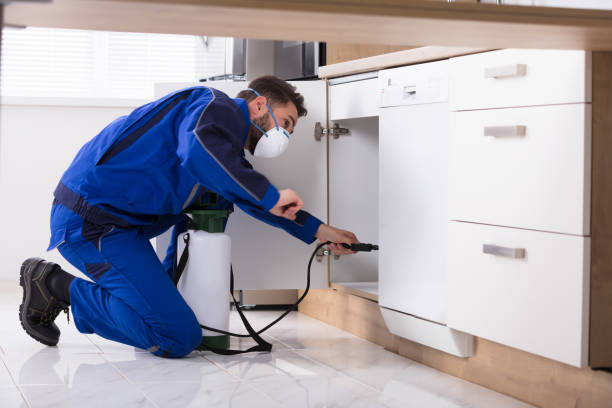
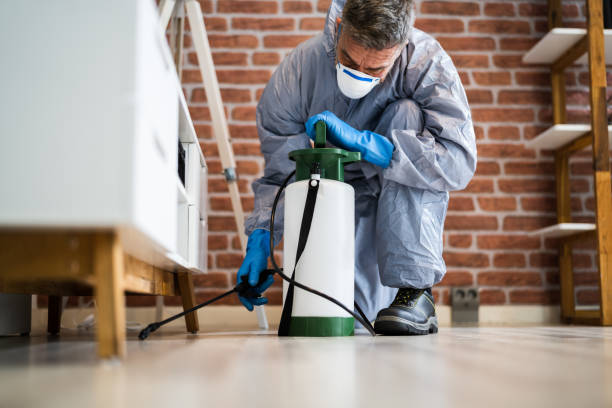
Man Spraying Pesticide In Kitchen Man Spraying Pesticide Inside The Wooden Cabinet In The Kitchen pest control stock pictures, royalty-free photos & images

Dealing with pests can be a persistent and frustrating issue for both homeowners and businesses. While DIY methods might seem like a cost-effective solution, they often provide only temporary relief.

Expertise and Knowledge

  • The behavior patterns of different pests (e. g. , rodents, termites, cockroaches).
  • The specific conditions that attract pests.
  • The most effective treatment methods tailored to each pest species.

For example, while termites require targeted treatments to eliminate colonies deep within structures, rodents need trapping techniques combined with preventative measures to block entry points.

Access to Professional-Grade Products

Licensed pest control experts have access to high-quality products that are often unavailable to the general public.

  • Designed to target specific infestations effectively.
  • Safer for humans and pets when applied by certified technicians.
  • More potent in eradicating infestations compared to over-the-counter solutions.

This ensures better results while minimizing risks associated with improper pesticide use.

Long-Term Prevention Strategies

Beyond eradication, experienced professionals implement preventative measures that reduce the likelihood of future infestations.

  1. Sealing cracks and crevices in walls or foundations where pests can enter.
  2. Offering recommendations on sanitation practices or environmental modifications.
  3. Installing barriers or traps in high-risk areas around your property.

With these proactive steps, you not only address immediate issues but also create an environment that discourages re-infestation.

Safer Pest Control Methods

  • Using eco-friendly products where possible.
  • Advising occupants about necessary precautions during and after treatment.
  • Properly disposing of waste materials such as bait stations or packaging.

Table: Comparison Between DIY Pest Control vs Professional Services

Aspect DIY Pest Control Professional Services
Effectiveness Temporary relief Long-lasting elimination
Safety Risk of improper chemical use Safe application by trained experts
Cost Lower upfront costs Cost-effective in the long run
Knowledge Limited understanding In-depth expertise
Prevention Measures Rarely addressed Comprehensive preventive strategies

Time-Efficiency

Professionals save you time by addressing problems quickly and effectively at their root cause. Instead of experimenting with trial-and-error approaches using store-bought products, trained technicians develop a targeted plan based on your unique situation—allowing you to focus on other priorities without prolonged disruptions.

By hiring experienced pest control specialists, property owners can achieve safe elimination solutions tailored specifically toward their needs while securing long-term protection from future infestations.

How Florida Pest Control Experts Ensure Effective Pest Elimination

Engaging experienced pest control professionals is a vital step in ensuring that pest infestations are addressed effectively and with long-term results. Whether dealing with common household pests or more complex infestations, professional services offer expertise and resources that go beyond over-the-counter solutions. Below is an in-depth exploration of why expert pest control services are the best choice for effective pest elimination.

Advantages of Hiring Experienced Pest Control Professionals

  1. Licensed professionals are thoroughly trained to handle a wide range of pests, from rodents and cockroaches to termites and bed bugs.
  2. They understand pest behavior, breeding cycles, and the environmental factors contributing to infestations.
  3. Their expertise allows them to identify not only active infestations but also potential problem areas that could lead to future outbreaks.
  4. Professionals use specialized equipment that’s often unavailable to consumers, including advanced monitoring devices, traps, and application tools.
  5. Cutting-edge treatment methods such as Integrated Pest Management (IPM) help minimize pesticide use while delivering targeted solutions.
  6. Each infestation is unique. Professionals assess the severity of the issue, identify the pest species involved, and develop tailored treatment plans that suit your home or business needs.
  7. Customized plans ensure efficient pest elimination without unnecessary treatments or overuse of chemicals.
  8. Licensed experts know how to use pesticides safely and in compliance with local regulations.

Long-Term Prevention Strategies

Effective pest elimination isn’t just about addressing current infestations; it also focuses on preventing future ones.

  • Sealing Entry Points:Experts inspect homes or businesses for cracks, gaps, or holes that may serve as entryways for pests and seal them properly.
  • Sanitation Guidance:Recommendations on waste management practices, storage techniques, and general sanitation measures help reduce attractants for pests.
  • Ongoing Monitoring:Regular checkups ensure that any emerging issues are detected early before they escalate into major problems.
Key Service Professional Approach Expected Outcome
Termite Treatment Soil barriers & baiting systems Long-term structural protection
Rodent Control Traps & entry point exclusion Reduced risk of re-infestation
Bed Bug Management Heat treatment & targeted pesticide application Eradication at all life stages
Cockroach Elimination Gel baits & residual sprays Effective removal & prevention

Cost-Efficiency Over Time

While DIY methods may seem less expensive upfront, they often lead to incomplete elimination or recurring issues that require repeated purchases of products.

  • Professional services address infestations at their source rather than providing temporary relief.
  • By preventing re-infestation through proactive measures, experienced exterminators help save money in the long run.

Factors To Look For When Hiring a Pest Control Professional

To ensure you’re working with qualified experts:
– Verify licensing and certifications specific to your region.
– Ask about their experience with your type of infestation (e. g. , termites vs bed bugs).
– Request references or reviews from previous clients.

By hiring seasoned professionals equipped with knowledge, tools, and expertise tailored to your needs, you can rest assured knowing that your home or business is protected against current threats—and won’t fall victim to recurring issues down the road.
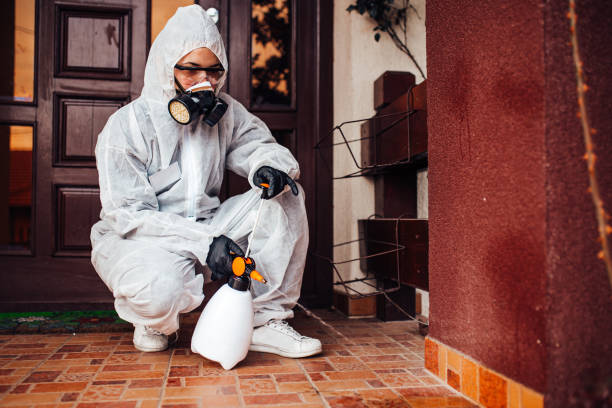
Spraying, disinfection and decontamination Professional worker in protective workwear reading checklist about house disinfection plan. pest control stock pictures, royalty-free photos & images

Professional Exterminators in Florida for Safe Hornet and Wasp Nest Removal

Hornets and wasps can pose a significant threat to personal safety, particularly when their nests are located near living or working spaces. Attempting to remove these nests without the proper knowledge or tools can result in painful stings, allergic reactions, and incomplete removal that may lead to a re-infestation.

Risks of DIY Hornet and Wasp Nest Removal


Stings: Wasps and hornets become highly aggressive when their nests are threatened. Multiple stings can result in severe pain or even anaphylactic shock for individuals with allergies.
Escalation of Infestation: Disturbing a nest without proper removal techniques may cause the insects to relocate rather than eliminate the problem.
Damage to Property: Improper removal methods such as spraying chemicals might damage walls, ceilings, or outdoor structures where nests are built.

Why Licensed Experts Are Essential

Professionals trained in hornet and wasp control follow regulated safety protocols while utilizing specialized tools for effective nest removal.

  1. Accurate Identification: Licensed pest control experts identify the species (e. g. , paper wasps, yellow jackets, bald-faced hornets) before applying tailored treatments.
  2. Safe Techniques: Experts use protective gear and non-invasive methods to neutralize active nests.
  3. Preventative Measures: After removing the nest, professionals seal entry points or recommend structural repairs that prevent future infestations.
  4. Eco-friendly Solutions: Many pest control providers employ environmentally safe techniques that protect local ecosystems while eliminating pests.
DIY Approach Professional Service
High risk of injuries Minimal risk due to expertise
No preventive measures Long-term preventive strategies
Potential property damage Careful handling of structures
Limited tools & resources Specialized equipment available

Steps Taken by Professionals During Nest Removal

  1. Inspection
    A thorough inspection is conducted to locate all nests on the property while identifying potential hiding spots.
  2. Treatment Application
    Depending on the type of infestation, professionals apply targeted insecticides or traps designed specifically for wasps or hornets.
  3. Safe Extraction of Nests
    Licensed exterminators carefully remove nests without causing disturbances that could provoke aggressive insect behavior.
  4. Post-removal Assessment
    After removing the nest(s), technicians inspect nearby areas for secondary infestations and provide recommendations for ongoing pest management.

Benefits of Professional Services

Choosing licensed experts ensures reliable results while reducing health risks associated with stinging insects: – Protection against harmful encounters with aggressive pests. – Comprehensive services that address both immediate threats and long-term prevention. – Peace of mind knowing your home or business environment is safe from future infestations.

Professional hornet and wasp removal services combine expertise with advanced solutions to ensure safety and effectiveness during every stage of treatment. Investing in licensed services not only protects occupants but also preserves the integrity of structures affected by these pests’ activity.

Effective Pest Removal Services in Florida: Safe Hornet and Wasp Nest Solutions

Dealing with hornet and wasp nests is not only challenging but also potentially dangerous if attempted without proper knowledge and tools.

https://sites.google.com/view/palm-bay-pest-control/guide-to-selecting-the-best-palm-bay-fl-exterminator

Risks of DIY Hornet and Wasp Nest Removal

  • Aggressive Behavior: Hornets and wasps become highly aggressive when their nests are threatened.
  • Severe Allergic Reactions: For individuals allergic to stings, even one encounter can lead to serious health complications like anaphylaxis.
  • Incomplete Removal: DIY methods often leave parts of the nest intact, encouraging the pests to rebuild their home quickly.
  • Injury from Improper Tools or Methods: Using makeshift tools or household chemicals can lead to accidents or ineffective pest removal.

Why Choose Licensed Experts?

Hiring licensed professionals ensures effective and efficient removal while minimizing hazards.

  1. Trained experts understand the behavior patterns of various species of hornets and wasps, which allows them to apply the safest removal techniques tailored for each situation.
  2. Licensed professionals use industry-grade protective suits, long-range applicators, and eco-friendly solutions that eliminate pests without posing harm to humans or the environment.
  3. Pest control experts follow safety protocols during removal, ensuring no harm comes to nearby residents or pets during the process.
  4. After removing nests, professionals often provide advice on how to prevent future infestations by locating vulnerabilities in your property.

Steps Professionals Follow During Removal

Step Action Importance
1 Inspection Identify nest location, size, and type of pest species present.
2 Risk Assessment Determine potential risks based on proximity to people or pets.
3 Use of Protective Gear Ensure complete safety during removal using specialized equipment.
4 Treatment Application Apply targeted treatments that neutralize pests effectively without harming surroundings.
5 Secure Disposal Safely remove and dispose of nests according to local regulations.

Benefits Beyond Safety

  • Preventing structural damage caused by nesting activity around roofs, walls, or eaves.
  • Reducing stress for homeowners dealing with persistent swarms.
  • Increasing outdoor usability—gardens, patios, or balconies can be used freely again after nests are removed.

Expert Florida Pest Control Service for Homes and Commercial Spaces

Effective pest management is essential for maintaining a safe, clean, and healthy environment in both residential and commercial spaces. Whether dealing with rodents, insects, or other pests, implementing comprehensive solutions ensures long-term protection against infestations. Below, we outline the importance of general pest management and the key components of effective strategies tailored to different spaces.

Importance of General Pest Management

  1. Health Protection: Pests like cockroaches, rodents, and mosquitoes carry harmful pathogens that can lead to diseases such as salmonella, hantavirus, and malaria.
  2. Property Preservation: Termites and other pests can cause significant structural damage if left unchecked.
  3. Regulatory Compliance: Businesses in certain industries (e. g. , food service) must comply with health codes to avoid penalties or operational shutdowns.

Key Components of General Pest Management Solutions

  1. Residential areas often require assessing kitchens, basements, attics, and outdoor spaces.
  2. For commercial properties like restaurants or warehouses, inspections should focus on storage areas and high-traffic zones.
  3. Proper identification ensures targeted treatment for specific pests rather than a generic approach.
  4. Professionals are trained to recognize pest behavior patterns that may not be obvious to untrained individuals.
  5. Chemical Treatments: Insecticides for ants or cockroach infestations.
  6. Non-Chemical Methods: Traps for rodents or heat treatments for bed bugs.
  7. Integrated Pest Management (IPM): A strategic combination of techniques focusing on prevention alongside remediation.
  8. Prevention Strategies Prevention is a key component in safeguarding homes or commercial spaces from future infestations:
  9. Sealing cracks in walls or floors.
  10. Installing door sweeps on exterior doors.
  11. Using proper food storage methods in both homes and businesses.

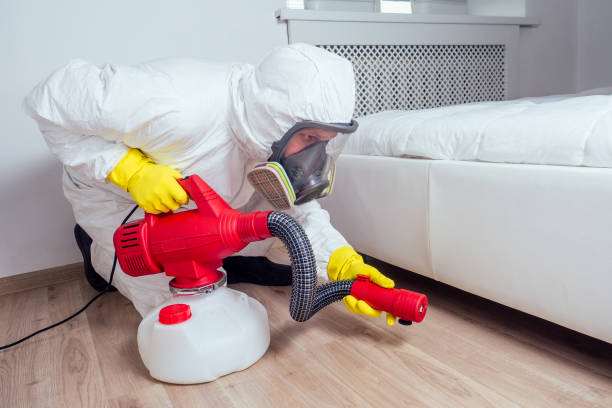
Pest control worker spraying pesticide around furniture indoors, closeup Pest control worker spraying pesticide around furniture indoors, closeup pest control stock pictures, royalty-free photos & images

Differences Between Residential and Commercial Solutions

Factor Residential Solutions Commercial Solutions
Scope Focused on individual homes or apartments. Covers larger areas such as offices or warehouses.
Pest Concerns Ants, termites, bed bugs are common issues. Rodents and flies often dominate issues due to heavy foot traffic and food handling practices.
Frequency May require quarterly treatments at most. Often demands monthly monitoring services due to scale of operation.

Benefits of Professional General Pest Management

  • Access to advanced equipment unavailable to consumers.
  • Expertise in safe pesticide application tailored for specific environments (e. g. , sensitive areas like schools).
  • Long-term cost savings by preventing recurring infestations through proactive planning.

By deploying complete general pest management solutions customized for various environments’ unique needs—be it residential sanctuaries or bustling commercial hubs—you ensure healthier living conditions while protecting your property investments effectively over time.

Effective Pest Removal Solutions for Bed Bugs in Homes and Hospitality Settings

Bed bugs are a persistent nuisance that can disrupt sleep, cause physical discomfort, and tarnish the reputation of hospitality establishments. Effective bed bug extermination requires specialized knowledge, tools, and techniques to ensure complete eradication and prevent future infestations. Below is a detailed explanation of how professional pest control services address bed bug infestations in both residential and commercial environments.

Why Professional Bed Bug Extermination is Essential

Bed bugs are notoriously difficult to eliminate due to their ability to hide in small crevices and reproduce rapidly. Over-the-counter solutions or DIY methods often fail because they do not fully address the life cycle of these pests or reach their hiding spots. Professional exterminators, however, bring expertise and advanced equipment to resolve infestations efficiently.

Key reasons to hire professionals include: – Comprehensive Inspection: Experts conduct thorough inspections using specialized tools like heat sensors or canine detection units to locate bed bugs in furniture, walls, mattresses, and other hard-to-reach areas.Targeted Treatments: Professionals use methods tailored for specific situations, such as chemical treatments, heat treatments, or steam applications.Insecticide Expertise: Licensed experts use EPA-approved insecticides that are potent against pests but safe for humans and pets when applied correctly.Prevention Strategies: Professionals provide guidance on preventing re-infestations through proper sanitation practices and regular inspections.

Steps in Professional Bed Bug Extermination

  1. A comprehensive review of the property identifies infested areas.
  2. Mapping out high-risk zones such as beds, couches, carpets, baseboards, furniture joints.
  3. Based on severity levels and property type (residential vs. commercial), exterminators design a custom approach.
  4. Methods may include non-toxic treatments for sensitive environments (like hotels) or chemical options for severe cases.
  5. Heat Treatments: Raising room temperatures beyond 120°F effectively kills bed bugs at all life stages without chemicals.
  6. Steam Treatments: Used for delicate fabrics or cracks where other methods cannot reach.
  7. Chemical Applications: Utilized in cracks/crevices where long-lasting protection is needed.
  8. Follow-up visits ensure no surviving pests remain.
  9. Use of traps or monitoring devices confirms success over time.
  10. Advising clients on clutter reduction to eliminate hiding spots.
  11. Recommending protective covers for mattresses and box springs.
  12. Guidance on laundering clothing/bedding at high temperatures after treatment.
Treatment Type Advantages Best Used For
Heat Treatment Non-toxic; effective against all stages Hotels with quick turnaround needs
Chemical Treatment Long-lasting; powerful Severe infestations in harder surfaces
Steam Application Chemical-free; safe for fabrics Residential homes with sensitive items

Benefits for Residences

For homeowners struggling with bed bugs: – Restoring comfort by quickly eliminating the cause of disrupted sleep. – Reducing health risks associated with bites such as allergic reactions or skin infections. – Preserving furniture through non-invasive treatments designed not to damage belongings.

Benefits for Hospitality Industries

Hotels face significant consequences from bed bug issues: – Negative online reviews can harm reputation if pests are discovered by guests. – Loss of revenue due to room shutdowns during DIY fumigations lasting longer than necessary. Professional extermination minimizes downtime while ensuring rooms remain pest-free long-term.

Pest Control Solutions Tailored for Residential and Commercial Needs

Pest control is not a one-size-fits-all solution. Homes and businesses face unique pest challenges depending on their location, structure, and activities.

Understanding the Need for Customized Pest Control

Pests vary significantly based on the setting. Residential properties may deal with ants, cockroaches, rodents, or termites threatening structural integrity or hygiene. On the other hand, commercial spaces — such as restaurants, warehouses, or offices — might face infestations that can disrupt operations or violate health codes.

Tailored solutions consider:
Specific pests: Identifying the type of pest(s) enables targeted treatments.
Environmental factors: Factors like climate, vegetation, building materials, and proximity to water sources may attract specific pests.
Business type: Restaurants require food-safe treatments while office spaces may prioritize discreet pest management to maintain professionalism.
Frequency of treatment: High-risk facilities such as food production units benefit from routine inspections and preventive measures.

Key Benefits of Tailored Pest Control

  1. Treatments are designed to address specific infestations rather than applying broad-spectrum chemicals that may miss the mark.
  2. Focused methods reduce the possibility of pests returning.
  3. Consideration is given to human occupancy in homes or customer interactions in businesses.
  4. Eco-friendly products may be utilized where necessary to reduce chemical exposure risks.
  5. Targeted treatments save money by eliminating unnecessary applications.
  6. Preventive measures reduce long-term damage costs in both homes and commercial properties.
  7. Industries like food service must adhere to strict health standards; tailored pest control ensures compliance with local regulations.

Examples of Common Tailored Pest Control Strategies

Setting Common Pests Customized Solutions
Residential Homes Rodents & Termites Rodent bait stations; termite barrier systems
Restaurants & Cafes Cockroaches & Flies Food-safe baits; drain treatments
Warehouses Rodents & Stored Product Pests Perimeter monitoring; fumigation when necessary
Hotels/Hospitality Bed Bugs Heat treatments; room-by-room inspections

Partnering with Professional Pest Control Services

Experienced pest control providers bring expertise in creating custom plans suited for both small residences and large-scale businesses. They conduct thorough inspections to assess risk factors before recommending a tailored approach that aligns with your needs.

The collaboration between property owners and professionals ensures long-lasting protection from pests without endangering health or safety standards — an essential investment for both personal comfort at home and operational success in business environments.


When Should You Call Exterminators in Florida for Effective Pest Control?

Pest infestations can disrupt your daily life, pose health risks, and cause structural damage to your property. While some minor pest issues may be manageable with DIY methods, there are certain situations where the expertise of a professional exterminator becomes necessary. Knowing when to call an exterminator can save you time, money, and frustration in the long run.

Signs That You Need Professional Pest Control

  • Recurring Pest Problems: Regular sightings of pests such as ants, cockroaches, or mice despite using over-the-counter solutions.
  • Structural Damage: Evidence of wood damage (e.g., from termites), chewed wires (caused by rats), or holes in walls and floors.
  • Unusual Sounds or Smells: Scratching noises in walls or ceilings and foul odors could signal rodents or other pests nesting in your home.
  • Droppings or Tracks: Finding droppings, urine stains, or grease marks along walls and baseboards often indicates significant pest activity.
  • Nesting Materials: Discovered nests made of shredded paper, fabric, insulation materials, etc., can indicate rodent activity nearby.

Situations Requiring Immediate Action

  1. Widespread Infestation
    If pests have taken over multiple areas of your home—such as kitchens, basements, attics—it’s time for professional intervention. A widespread infestation will likely require specialized equipment and strategies for complete eradication.
  2. Health Threats
    Certain pests like cockroaches and rodents carry pathogens that can contaminate food surfaces and spread diseases such as salmonella or hantavirus.
  3. Allergic Reactions
    Stings from bees or bites from bedbugs could trigger allergic reactions in sensitive individuals. Additionally, exposure to pest droppings might worsen asthma symptoms.
  4. Structural Integrity Concerns
    Termites silently destroy wooden structures while carpenter ants burrow into the framework of homes over time if left unchecked.

Benefits of Hiring an Exterminator

Aspect DIY Methods Professional Extermination
Knowledge Limited knowledge of pest behaviors Expert understanding tailored solutions
Equipment Basic traps/sprays Advanced tools & chemicals
Long-term Effectiveness Short-term relief Preventive measures for lasting results

Preventive Measures Before Calling a Professional

Before scheduling an extermination service appointment: – Seal cracks around doors/windows using caulking materials. – Remove clutter around your house since it creates hiding spaces for pests. – Clean regularly by vacuuming carpets; wipe countertops after meals; store food securely away from contamination risks too.

Proactively identifying early warning signs combined w/ timely extermination mitigates potential damages effectively.

Identifying Common Signs That Require Pest Removal Services in Florida

  1. Scratching or scurrying sounds, particularly at night, can indicate rodents or other pests moving within walls, ceilings, or attics.
  2. Buzzing sounds may point to an insect infestation such as wasps or bees.
  3. Small droppings in areas like cupboards, drawers, or along baseboards often suggest rodent activity.
  4. Larger droppings might indicate pests like raccoons or bats.
  5. Spotting live insects (such as ants, cockroaches, or termites) in unexpected areas signals increased activity.
  6. Dead pests found near windowsills or doorways may also suggest a growing problem.
  7. Chewed wires, gnawed furniture corners, and shredded paper nests are common signs of rodents like mice and rats.
  8. Holes in wood structures could indicate termite activity.
  9. A musky smell may mean there’s a rodent nest nearby or dead pests hidden within walls.
  10. If your home smells sweet but unpleasantly so, this could signal the presence of cockroaches.
  11. Grease Marks
    Rodents often leave grease trails along walls or baseboards as they travel the same paths repeatedly.
  12. Pest Tracks and Trails
    In dusty areas like basements or attics, you may observe tracks from pests such as rodents or insects that have traveled through those spaces.

Identifying Infestations with Florida Pest Control Service

Pest Type Key Indicators Areas to Check
Rodents Droppings, urine stains Kitchen cabinets, attic spaces
Termites Hollowed-out wood Wooden furniture structures
Cockroaches Musty odors Kitchens and bathrooms
Ants Trails leading to food sources Pantry shelves
Bed Bugs Blood spots on bedding Mattresses and bed frames

The Importance of Early Pest Removal Identification

  • Structural Damage: Termites can weaken the foundation of your home by feeding on wood without immediate detection.
  • Health Risks: Rodents carry diseases like salmonella and hantavirus; cockroaches can trigger allergies.
  • Increased Costs: The longer pests remain untreated, the higher your extermination costs may become due to larger colonies requiring more extensive control measures.

Prompt action upon noticing any signs of an infestation not only protects your property but also ensures the safety of everyone in your household. Regular inspections—whether performed personally or by professional exterminators—can make all the difference in maintaining a pest-free environment at home.

How to Identify Signs of a Florida Pest Control Problem in Your Home

Identifying a pest infestation early is critical to managing and eliminating the problem effectively. Pests can often go unnoticed until they cause significant damage, or their population increases to an uncontrollable level. By understanding the signs of an infestation, homeowners can take proactive measures before the situation worsens.

Common Indicators of Pest Infestations

  1. Scratching or scurrying sounds, especially at night, may indicate rodents or other pests in walls, attics, or crawl spaces.
  2. Buzzing noises might suggest an insect infestation such as bees or wasps.
  3. Rodents leave behind small pellet-like droppings that are typically black or dark brown in color.
  4. Cockroach feces resemble coffee grounds or pepper-like granules and may be found near kitchen cabinets or bathrooms.
  5. Chewed electrical wiring or furniture could point toward a rodent problem.
  6. Holes in wooden structures (e.g., walls, floors, furniture) might indicate termites or carpenter ants.
  7. A strong ammonia-like smell could suggest the presence of rodents due to urine accumulation.
  8. A musty smell can result from cockroach infestations.
  9. Snakes and certain insects shed their skin as they grow; finding these remnants is an indication of their presence.
  10. Egg casings left by pests like cockroaches often signal active reproduction nearby.
  11. Pests such as mice and rats collect nesting materials like shredded paper, fabric, and insulation to build their homes.
  12. Rodents often chew through food containers; finding torn packaging is a common sign of pest activity in your pantry.

Signs Specific to Certain Pests

Pest Type Common Signs Areas Typically Affected
Termites Mud tubes, hollow wood sounds Wooden furniture and structures
Ants Trails of ants heading indoors Kitchen counters and pantries
Bed Bugs Blood stains on bedding; itchy bites Mattresses, pillows, headboards
Roaches Smear marks; droppings near water Kitchens & bathrooms
Rodents Gnaw marks; shredded materials Walls, attics & basements

Why Early Detection Matters

  • Health Risks: Many pests carry diseases (e.g., hantavirus from mice droppings). Contact with contaminated surfaces can lead to infections.
  • Structural Damage: Termites and carpenter ants weaken foundations over time.
  • Burdened Finances: The longer pests are present, the harder—and costlier—they are to eliminate.
  • Worsened Allergies: Cockroaches leave allergens that exacerbate respiratory problems like asthma.

Steps After Spotting Warning Signs

  1. Inspect your property thoroughly for further evidence.
  2. Seal all entry points such as cracks in walls or gaps under doors.
  3. Remove accessible food sources—store pantry goods in airtight containers.
  4. Document signs (e.g., droppings) for reference when consulting professionals.
  5. Contact a licensed exterminator for proper guidance if the issue persists despite preventive efforts.

By staying vigilant about these warning signals and taking prompt action when needed, you can protect your home from potentially devastating outcomes caused by pest infestations.

Understanding the Dangers of Ignoring a Pest Infestation

Pest infestations can escalate quickly, and ignoring the problem often leads to severe consequences for your home, health, and overall well-being. Below is an in-depth look at the potential risks associated with untreated infestations and why timely intervention is critical.

Structural Damage to Your Property

Many pests can cause significant harm to the structural integrity of your home. The longer they are left unaddressed, the more extensive this damage becomes. Some examples include:
Termites: These insects feed on wood and can silently weaken your home’s foundation, walls, ceilings, and furniture.
Carpenter Ants: Similar to termites, they burrow into wooden structures, compromising their stability.
Rodents: Mice and rats gnaw on wiring, insulation, drywall, and even furniture. This not only creates costly repairs but increases fire risks due to damaged electrical wires.

Pest Type Common Damage Long-Term Impacts
Termites Destroy wood Weak foundations and collapsing walls
Rodents Chew wires and drywall Fire hazards and structural issues
Carpenter Ants Tunnel through wood structures Decreased home stability

Health Risks Associated with Pest Infestations

Prolonged exposure to pests in your home poses a variety of health threats for you and your family. These can range from minor irritations to severe illnesses:
1. Allergies and Asthma: Cockroach droppings or shed skin may worsen respiratory conditions like asthma or trigger allergic reactions.
2. Disease Transmission: Rodents are carriers of diseases such as hantavirus, leptospirosis, and salmonella that can spread through their urine or feces. Similarly, ticks (often carried by rodents) can transmit Lyme disease.
3. Bites or Stings: Pests like fleas, bed bugs, mosquitoes, or wasps can bite humans or pets directly, leading to itching or infections.

Food Contamination

Ignoring a pest infestation may result in contaminated food supplies within your kitchen or pantry areas: – Rodents urinate or leave droppings near stored food items. – Insects such as cockroaches spread bacteria like E.coli onto surfaces used for meal preparation. – Pantry pests like weevils infest cereal grains or flour products.

Emotional Stress Caused by Pests

Dealing with a persistent pest problem often causes emotional strain: – Constant worry about encountering pests daily. – Sleepless nights if pests such as bed bugs invade bedrooms. – Embarrassment when visitors notice signs of an infestation.

Environmental Imbalance Risks

Allowing pests to thrive indoors impacts ecological balance around homes: 1) Unchecked rodent activity attracts predatory species into living environments. 2 ) Overpopulation cycles develop without intervention driving competition among species

By understanding these dangers thoroughly alongside taking prompt action against active cases ensure prevention

Steps to Take When Dealing with a Severe Pest Infestation

Dealing with a severe pest infestation can be overwhelming and requires a structured approach to effectively manage the situation. Ignoring such infestations can cause further damage to your property and pose health risks to your household. Here are the essential steps you should take when faced with a serious pest problem.

1. Identify the Type of Pest Invading Your Home

The first step is determining what type of pest you’re dealing with. Different pests require different treatment methods, so proper identification is critical.

  • Common household pests include:
  • Rodents (e.g., rats, mice)
  • Cockroaches
  • Termites
  • Ants
  • Bed bugs
  • Fleas
  • Look for specific signs such as droppings, gnaw marks, damaged wood, or unusual odors to confirm the presence of pests.

2. Assess the Severity of the Infestation

  • Key areas: Kitchens, basements, attics, and bathrooms tend to be common hotspots for pests. Check hidden corners and under appliances.
  • Signs of infestation: Track patterns such as increased sightings during certain times of day or evidence like nests and trails.
  • Extent of damage: Evaluate structural harm (e.g., chewed wires, holes in walls) or contamination caused by pests.

If you find that pests have spread throughout multiple areas or caused significant destruction, it’s likely a severe infestation.

3. Clear Food Sources and Seal Entry Points

  • Store food in tightly sealed containers made from glass or heavy-duty plastic.
  • Remove garbage regularly and use trash cans with secure lids.
  • Fix leaking pipes or faucets to eliminate water sources.
  • Seal cracks, gaps, and openings in walls, floors, windowsills, and doors where pests may enter your home.

A proactive approach like this can help limit further spread while preparing for professional intervention.

4. Avoid DIY Solutions for Serious Cases

  • DIY methods may not reach hidden nests or breeding sites where colonies thrive.
  • Misuse of pesticides can expose your family and pets to harmful chemicals without effectively resolving the issue.

Instead of risking ineffective treatments that allow pests to return stronger over time, it’s advisable to consult an exterminator immediately when dealing with large-scale infestations.

5. Work With Licensed Pest Control Professionals

Service Provided by Professionals Benefits
Comprehensive inspection Identifies hidden nesting areas & extent of infestation
Customized treatment plans Targets specific pest types while minimizing environmental impact
Safe use of pesticides Protects children & pets from exposure
Long-term prevention strategies Reduces risks of future infestations through guidance & maintenance tips

Working closely with professionals increases both short-term relief from pests as well as long-term prevention outcomes.

6. Follow Preventative Measures Post-Treatment

  1. Regularly clean your home thoroughly: Vacuum carpets often; wipe counters daily; mop floors weekly.
  2. Monitor for early signs: Frequent checks enable quick responses if infestation recurs.
  3. Schedule periodic inspections: Partnering with exterminators for routine evaluations ensures sustained protection against pest problems in future seasons.

Dealing promptly yet methodically with severe infestations minimizes long-term damage while safeguarding everyone’s health inside your household environment effectively over time without recurring disruptions caused by unchecked activity spreading anew elsewhere again later down road ahead

Steps to Take When Dealing with a Severe Pest Infestation

Dealing with a severe pest infestation can be overwhelming, but taking the right steps ensures you address the problem effectively. A structured approach minimizes risks to your health, property, and overall well-being. Below is a guide that outlines practical steps you should take when facing a significant pest problem.

https://sites.google.com/view/westpalmbeachpestcontrol/

1. Assess the Severity of the Infestation

  • Visible pests: Regular sightings of pests such as rodents, cockroaches, or termites during daylight hours often indicate a severe issue.
  • Droppings and nest materials: Presence of feces, shredded paper, or other nesting materials suggests active colonies nearby.
  • Structural damage: Holes in walls, gnawed furniture, or damaged insulation may point toward larger infestations involving rodents or termites.
  • Unusual odors: Strong musty or foul smells can signal the presence of pests like cockroaches or dead animals within walls.

2. Identify the Type of Pest

Pest Type Signs of Infestation
Rodents (mice/rats) Chewed wires, nests in corners, droppings
Termites Hollow-sounding wood, mud tubes
Cockroaches Musty odor, shed skins
Bed Bugs Small reddish stains on bedding and visible bites

If you are uncertain about which pest you’re dealing with, consult a professional pest control expert for accurate identification.

3. Prioritize Safety Precautions

  • Keeping children and pets out of infested areas.
  • Storing food items in airtight containers to prevent contamination.
  • Sealing off rooms where pests are concentrated until professional assistance arrives.

4. Notify Professional Exterminators Early

For large-scale infestations, professional exterminators offer specialized tools and knowledge to handle the situation effectively. Contacting an exterminator early reduces further damage and ensures long-term solutions.

When selecting an exterminator:
– Confirm they are licensed and insured. – Inquire about eco-friendly pest control options if preferred. – Request an inspection before treatment begins so they can tailor their approach based on your unique circumstances.

5. Follow Exterminator Recommendations Post-Treatment

After treatment is completed:
1. Clean affected areas thoroughly but adhere to guidelines provided by the exterminator (e.g., avoid wet cleaning near treated zones).
2. Monitor for recurring signs of infestation over time and report any reoccurrence promptly.
3. Take preventive measures such as sealing cracks around windows/doors and maintaining regular sanitation practices in your home.

By following these steps diligently during a severe pest infestation, you can effectively mitigate risks while ensuring long-term protection for your home environment.


When Should You Contact a Pest Control Company for a Rat Infestation?

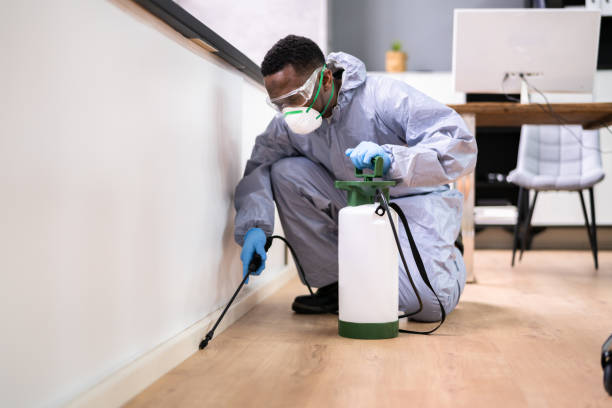
Exterminator in workwear Professional exterminator in protective workwear spraying pesticide in apartment. pest control stock pictures, royalty-free photos & images

Dealing with a rat infestation can be overwhelming, especially when the problem grows beyond what DIY methods can effectively address. Knowing when to call a professional rat exterminator or pest control service is crucial for safeguarding your property and health. Below are key indicators and situations that warrant professional intervention.

Signs That Indicate You Need Professional Help

  1. If you frequently notice rat droppings, gnaw marks, or greasy smear trails despite your efforts to control the problem, it’s time to seek expert assistance.
  2. Rats are resilient creatures that can adapt to traps and poisons if improperly handled, making professional expertise essential.
  3. Chewed wires, damaged insulation, or holes in walls are indicators of extensive infestation.
  4. Rats gnaw continuously to keep their teeth from overgrowing, which can lead to costly repairs and fire hazards from electrical damage.
  5. Rats carry diseases such as leptospirosis, hantavirus, and salmonella that can pose serious health risks.
  6. If there is evidence of contamination in food storage areas or water supplies, professionals should intervene immediately.
  7. Using store-bought traps or repellents may not suffice for larger infestations.
  8. Persistent issues despite repeated personal attempts signal the need for advanced techniques only pest control services can provide.

Situations That Require Immediate Action

  • Large Infestations: A single rat sighting may not seem alarming; however, rats breed quickly. Spotting multiple rodents often signals an established infestation that requires professional eradication methods.
  • Commercial Spaces: Businesses face unique challenges during infestations due to sanitation standards and industry regulations. Restaurants, warehouses, or offices cannot afford to risk reputational harm caused by rats.
  • Recurring Problems: If rats keep returning despite previous removal efforts, professionals can identify overlooked entry points or nesting sites to prevent future infestations.

Why Timely Action Matters

Problem Potential Impact
Property Damage Structural compromise from chewing materials like wood and wiring
Health Hazards Increased exposure to pathogens carried by rats
Cost of Repairs Greater financial strain due to prolonged damage

How Professionals Address Infestations Effectively

Professional exterminators deploy tailored strategies based on the severity and specifics of each case. Their expertise allows them to use advanced tools such as sealed bait stations, rodenticides placed in secure locations inaccessible to children or pets, and humane trapping methods where necessary.

Additionally: – They conduct thorough inspections of your property for entry points. – Recommendations are provided for sanitation measures that deter rodents long-term. – Follow-up visits ensure the issue remains resolved.

Addressing a rat infestation efficiently requires understanding its complexity. Calling a trusted pest control service ensures safety for both your property and family while preventing further complications from arising over time.

Top Techniques for Rat Extermination Used by Florida Pest Control Experts

Professional pest control services employ a wide array of techniques to address rat infestations effectively. These methods are tailored to fit the severity of the infestation, the type of property, and environmental considerations. Below, we’ll explore some of the most commonly used approaches that ensure thorough eradication while minimizing risks.

1. Inspection and Assessment

The first step in any professional pest control service is a comprehensive inspection. This involves:
– Identifying entry points such as cracks, holes, or gaps in walls, doors, and windows.
– Locating nesting areas or harborage points where rats may reside.
– Determining possible food sources like garbage piles, unsealed containers, or pet food.
– Assessing the extent of the infestation through signs such as droppings, gnaw marks, or grease trails.

This foundational step allows professionals to create a targeted plan for elimination.

2. Exclusion Techniques (Sealing Entry Points)

Once problem areas are identified:
Structural repairs may be recommended to seal off entry points using materials such as steel wool, caulk, or metal mesh.
– Professionals often focus on utility lines and vents since these are common access zones for rodents.

Exclusion helps prevent further infestations by cutting off access routes for rats.

3. Trapping Mechanisms

Trapping is one of the safest and most effective strategies used by pest control experts:
Snap traps: Quick and effective with minimal suffering for the rodent when set correctly.
– Best suited for small infestations in homes or businesses. – Live traps: Ideal if relocation is necessary due to ethical reasons or local regulations. – Glue boards: Used sparingly as they may cause prolonged suffering; mainly deployed in sensitive areas where other traps are less effective.

Traps are often placed strategically near high activity zones such as along walls or behind appliances.

4. Rodenticides (Chemical Solutions)

In cases of severe infestations where trapping alone isn’t sufficient:
– Professionals may use rodenticides, which are chemical baits designed to eliminate rats over time after ingestion. – Anticoagulant baits disrupt blood clotting mechanisms leading to death within days. – Non-anticoagulant baits act through different mechanisms such as dehydration. – All bait stations are securely placed in tamper-proof containers to avoid accidental exposure to children or pets.

Proper application by licensed professionals ensures safety and compliance with local regulations governing pesticide use.

Type of Rodenticide Action Mechanism Typical Usage Areas
Anticoagulants Prevent blood clotting Indoor + Outdoor
Non-anticoagulants Induces dehydration Remote outdoor settings

5. Sanitation Recommendations

Professionals emphasize eliminating factors that attract rats through improved sanitation practices:
– Regularly disposing of trash in sealed containers. – Cleaning up food spills immediately. – Storing dry goods in airtight containers made from glass or metal instead of plastic bags. – Removing debris piles from yards where rodents can hide.

A clean environment complements extermination efforts by reducing rodent attractants.

6. Monitoring and Follow-Up Services

After initial treatment sessions:
– Professionals monitor progress using tracking powders or motion-sensor cameras to detect ongoing rat activity. – Additional treatments may be performed if necessary, ensuring complete eradication over time.

Regular maintenance plans offered by pest control companies help prevent future infestations altogether.

By combining these methods into an integrated pest management (IPM) strategy focused on both elimination and prevention, professional exterminators provide long-term solutions tailored specifically to their clients’ unique needs.

Effective Solutions for Rat Infestations from Top Exterminators in Florida

1. Initial Assessment and Inspection

Pest control experts begin by thoroughly inspecting the affected area to determine:
Extent of Infestation: Identifying how widespread the infestation is.
Entry Points: Locating cracks, holes, or gaps used by rats to access your property.
Signs of Activity: Searching for droppings, gnaw marks, nesting materials, or greasy rub marks along walls.
Type of Rat: Determining whether the infestation involves roof rats (Rattus rattus) or Norway rats (Rattus norvegicus), as their habits differ.

The inspection provides critical information for creating a targeted treatment plan.

2. Customized Treatment Plan

Once the inspection is complete, pest control professionals design a comprehensive treatment strategy tailored to your specific situation. This ensures maximum effectiveness while minimizing risks to humans and pets.

Typical components of a treatment plan include: – Sealing off access points. – Setting bait stations. – Installing traps in strategic areas. – Recommending property modifications like reducing food sources or addressing clutter.

3. Effective Elimination Techniques

Method Description
Snap Traps Reliable traps used in targeted areas where rats are active.
Bait Stations Secured containers with rodenticides that prevent accidental ingestion by pets or children.
Ultrasonic Devices Emits high-frequency sounds designed to repel rodents from certain spaces.
Fumigation (if needed) Used in severe cases where other methods fail or for large-scale infestations.

Professionals are trained not only in deploying these tools but also in ensuring they are used ethically and safely.

4. Prevention Recommendations

After eliminating the current infestation, pest control experts focus on long-term prevention strategies: – Exclusion Measures: Sealing entry points with steel wool, caulk, or metal mesh. – Sanitation Practices: – Store food in airtight containers. – Remove pet food leftovers promptly. – Keep garbage bins tightly sealed. – Environmental Adjustments: – Declutter storage spaces like basements, attics, and garages. – Trim tree branches near your roofline to prevent easy access for roof rats.

Adopting these preventive measures reduces the likelihood of re-infestation significantly.

Why Work With Professionals?

While DIY methods may provide temporary relief from rat problems, professional pest control services offer distinct advantages: 1. Access to advanced tools and rodenticides unavailable for public use. 2. Expertise in identifying less obvious entry points or nests that DIY efforts might miss. 3. A thorough understanding of local regulations regarding wildlife management and pesticide use.

By partnering with pest control experts, you’re not just eliminating rats; you’re investing in maintaining a healthier living environment free from persistent pests.

Effective Pest Removal Services in Florida to Eliminate Your Infestation Problems

Pest infestations can disrupt daily life, damage property, and pose health risks. Comprehensive pest control services are essential for addressing these issues effectively. By employing a combination of advanced tools, strategies, and expertise, professional pest control companies provide solutions tailored to mitigate and prevent infestations.

https://sites.google.com/view/coralspringspestcontrolfl

Key Components of Comprehensive Pest Control Services

  1. A thorough inspection of the property is conducted to identify:
    • Types of pests present (e.g., rodents, insects, termites)
    • Severity of the infestation
    • Entry points or structural vulnerabilities
  2. Professionals often use tools like moisture meters or infrared cameras to detect hidden problems.
    • The species of pest
    • Size and layout of the affected area
    • Environmental factors such as humidity levels or weather conditions
  3. Some common eradication methods include:
    • Chemical Treatments: Use of safe insecticides or rodenticides in targeted areas.
    • Heat Treatments: Effective against bed bugs or termites as it eliminates pests without leaving chemical residues.
    • Traps and Baits: For rodents and larger pests.
  4. Integrated Pest Management (IPM) approaches are also gaining popularity due to their eco-friendly nature.
  5. Sealing cracks in walls, repairing broken windows/screens, and securing HVAC vents to block entry points.
  6. Installation of barriers like steel wool for small gaps frequently used by rodents.
  7. After treatment, professionals often set up monitoring systems such as bait stations.
  8. Long-term prevention strategies may include regular maintenance checks or education on best practices.

Pest Control Exterminator Services Spraying Insecticide Pest Control Exterminator Services Spraying Termite Insecticide pest control stock pictures, royalty-free photos & images

Advantages of Hiring Professional Pest Control Services

Benefit Description
Expertise Professionals are trained to handle various types of infestations effectively.
Safety They use EPA-approved chemicals that minimize exposure risks to humans/pets.
Time-Efficiency Faster identification and resolution compared to DIY methods.
Long-Term Results Focus on both immediate removal and future prevention strategies.

Common Pests Addressed by Comprehensive Services

  • Rodents (mice/rats): Known for causing structural damage and spreading diseases such as hantavirus.
  • Termites: Silent destroyers that compromise the integrity of wooden structures over time.
  • Bed Bugs: Difficult-to-detect pests that feed on human blood while causing physical discomfort.
  • Ants/Cockroaches: Pests that contaminate food sources while spreading bacteria.

Why a Proactive Approach Matters

Ignoring early signs of infestation can lead to escalating problems that are more costly and time-consuming to resolve later on. Scheduling regular inspections with professional pest control experts helps ensure minor issues don’t escalate into severe outbreaks—protecting both your home/business and overall peace of mind.

The Importance of Choosing a Reliable Florida Pest Control Service for Severe Pest Issues

Pest infestations can quickly escalate into serious problems that jeopardize not only your property but also your health and well-being. While minor pest issues might be managed through DIY methods, severe infestations often require professional intervention. Understanding when and why professional assistance is crucial can save time, reduce long-term costs, and provide effective solutions.

Why Severe Pest Issues Require Professional Help

  1. Pests such as rats, cockroaches, and termites carry diseases that can harm humans and pets.
  2. Improper handling of pests or use of pesticides can lead to accidental exposure to harmful chemicals.
  3. Many pests tend to hide in inaccessible spaces like walls, attics, or underground areas.
  4. Professionals are trained to locate hidden nests or colonies that might not be visible during a basic inspection.
  5. Termites, carpenter ants, and rodents can cause extensive damage to wooden structures, insulation, wiring, and more.
  6. A professional exterminator can assess the extent of damage and implement immediate mitigation measures.
  7. Over-the-counter pesticides may not always be effective against certain species.
  8. Pests often develop resistance over time, making professional-grade treatments necessary.

Benefits of Hiring Professionals for Severe Infestations

  • Customized Plans: Professionals evaluate the specific type of pest problem you’re facing and design targeted treatment plans.
  • Advanced Equipment & Technology: Tools like heat treatments for bed bugs or baiting systems for termites are only available through qualified professionals.
  • Preventative Measures: Experts provide guidance on preventing future infestations by addressing root causes such as entry points or attractants.
  • Safe Application of Chemicals: Licensed technicians ensure that pesticides are applied safely without endangering inhabitants or the environment.

Comparing DIY vs. Professional Assistance

Aspect DIY Approach Professional Assistance
Effectiveness Limited for severe problems High success rate with proven methods
Cost Cheaper initially but may escalate due to recurring issues Higher upfront cost but long-term savings
Safety Potential risks from improper handling Safe application by certified experts
Long-Term Results Often temporary Lasting solutions with prevention plans

Signs It’s Time to Call a Professional

  • Persistent sightings of pests despite DIY efforts.
  • Damage to furniture, wiring, walls, or insulation caused by pests.
  • Droppings, gnaw marks, or unpleasant odors indicating a large infestation.
  • Unsuccessful attempts at identifying the source or entry point.

Severe pest issues demand expertise beyond basic home remedies. Professional exterminators not only solve immediate problems but also ensure lasting peace of mind through comprehensive care plans tailored to your situation. Their knowledge and resources make them indispensable in handling complex cases effectively.

Effective Pest Removal: Steps to Eliminate and Prevent Infestations in Your Home or Business

Addressing pests effectively requires a systematic approach that not only eliminates the current infestation but also prevents future issues. By following a structured plan, homeowners and businesses can maintain a pest-free environment. Below are steps to successfully exterminate pests and proactively safeguard properties against new infestations.

Step 1: Identify the Type of Pest

  • Visual Inspection: Look for common signs such as droppings, damage to furniture or walls, nests, or unusual sounds at night.
  • Use Monitoring Tools: Sticky traps or bait stations can help track pest activity.
  • Consult a Professional: If you’re unsure about what pest you’re dealing with, seek expert advice.

Step 2: Assess the Extent of the Infestation

After identification, determine how widespread the issue is. This will help decide whether DIY methods are sufficient or if professional intervention is necessary.

  • Small Infestations may be manageable with over-the-counter solutions like traps or sprays.
  • Large or Persistent Infestations may require professional services to address deeply rooted problems.

Step 3: Implement Immediate Extermination Techniques

Pest Type Effective Methods
Rodents (rats/mice) Snap traps, bait stations; professional rodenticides
Insects (ants/roaches) Gel baits, insecticide sprays; deep cleaning
Termites Soil treatments; fumigation by professionals

In cases where chemical treatments are involved, use products safely by following manufacturer instructions closely.

Step 4: Seal Entry Points and Remove Attractants

  1. Use caulk or steel wool to seal cracks in walls.
  2. Install door sweeps and repair torn window screens.
  3. Cover vents with mesh screens.
  4. Store food in airtight containers.
  5. Clean up crumbs and spills immediately.
  6. Dispose of garbage regularly in sealed bins.
  7. Fix leaky pipes and faucets promptly.
  8. Ensure proper drainage around your property.

Step 5: Establish Long-Term Prevention Strategies

  • Schedule regular inspections with a licensed pest control company.
  • Invest in preventive treatments tailored for your region’s common pests.
  • Educate household members or employees about proper sanitation practices.

Step 6: Monitor Continuously

  • Place monitoring devices like sticky traps strategically around your property.
  • Keep an eye out for new signs of activity such as droppings or damage.
  • Act quickly at the first indication of any resurgence.

By carefully implementing these steps, you can effectively exterminate current infestations while creating barriers against future problems.


Identifying When to Call Exterminators in Florida for Severe Mouse Infestations

video thumbnail

Dealing with a mouse infestation can quickly become overwhelming if the problem escalates beyond what typical DIY methods can handle. Knowing when to call in a professional exterminator is essential to protect your home and health. Below, we outline situations that warrant professional assistance, helping you make informed decisions about pest control.

Persistent Signs of Mouse Activity

  • Frequent Sightings: If you’re seeing mice during the daytime, this often means their population has grown beyond manageable levels.
  • Droppings: Finding numerous droppings throughout your home, especially near food sources, is a major warning sign of an infestation.
  • Strong Odors: A noticeable musky smell caused by urine buildup suggests a large-scale issue that needs professional-grade solutions.

Ineffectiveness of DIY Methods

  • Traps or baits failing to reduce the number of mice observed in your home.
  • Mice finding new entry points even after sealing obvious gaps or cracks.
  • Recurring infestations over several months despite repeated efforts to eliminate them.

Structural Damage Indicating Hidden Nests

  • Chewed electrical wires or insulation posing fire hazards.
  • Holes gnawed into walls, baseboards, or other structural elements.
  • Damaged food packaging in multiple areas throughout your home.

Health Concerns Related to Mice

  1. Presence of diseases like hantavirus or salmonella spread through mouse droppings and urine.
  2. Allergic reactions triggered by exposure to fur or droppings.
  3. Contamination of food supplies in pantries and cabinets.

Benefits of Hiring an Exterminator for Severe Infestations

Benefit Description
Targeted Solutions Professionals tailor their methods based on the severity and layout of infestations.
Long-Term Prevention Exterminators identify hidden entry points and implement measures to stop reinfestation permanently.
Safety They use specialized treatments that are both safe for humans and highly effective against mice.

When Immediate Action is Necessary

  1. Damage to critical infrastructure like heating ducts or plumbing lines.
  2. Mice visibly nesting inside appliances or furniture.
  3. Evidence suggesting rapid population growth over short periods (e.g., juvenile mice).

Ultimately, calling an exterminator for severe infestations ensures thorough eradication while safeguarding your property from further damage and health risks associated with mice presence indoors.

Warning Signs That Indicate You Need a Pest Control Company for Mice

Mouse infestations can escalate quickly if not addressed promptly. While some minor issues can be handled using DIY methods, there are certain situations where the intervention of a professional exterminator becomes essential. Recognizing these warning signs early can save time, effort, and potential damage to your property.

Identifying Persistent Scratching Noises? Expert Pest Removal Services in Florida Can Help

If you frequently hear scratching or scurrying sounds in your walls, ceilings, or floors—especially at night—it may indicate a growing mouse population within your home. Mice are nocturnal creatures that are most active during quiet hours, making nighttime noises a clear sign of their presence.

Signs You Need a Florida Pest Control Service: Droppings in Multiple Areas

Mice leave droppings wherever they travel, often near food sources, nests, or along their pathways (e.g., baseboards). If you notice large quantities of droppings in multiple areas around your home—particularly kitchens and pantries—it is a strong indication that the infestation is severe.

https://sites.google.com/view/pompanobeachpestcontrol/home

Common characteristics of mouse droppings:
| Feature | Description |
|——————-|——————————|
| Size | Small (~⅛ to ¼ inch) |
| Shape | Rod-shaped with pointed ends |
| Color | Dark brown to black |

Effective Pest Removal to Prevent Chewed Wires and Structural Damage

Mice constantly chew on objects to keep their teeth from overgrowing. If you discover gnawed wires, wooden furniture damage, or holes chewed through walls and floors, it may signify an advanced infestation. Damaged electrical wiring poses fire hazards and should be addressed immediately.

4. Nesting Materials Found Indoors

Mice build nests using shredded paper, fabric fibers, dried plant material, and insulation. Discovering soft piles of these materials in hidden corners or unused spaces like basements and attics is an indicator of mouse nesting activity inside your home.

5. Unexplained Foul Odors

A musky ammonia-like smell might signal the presence of mice urine trails marking their territories. Dead mice decomposing behind walls can also emit unpleasant odors that worsen over time as the infestation progresses.

6. Increased Visual Sightings

Spotting live mice during daylight hours typically suggests a severe problem since mice are naturally secretive creatures that avoid human interaction whenever possible. An increase in sightings during daytime is often due to overcrowding forcing them out into open areas.

When Professional Help Is Necessary

  • A professional exterminator has access to specialized tools and knowledge for locating hidden nests.
  • They use safe yet effective treatments tailored to eliminating infestations without harming pets or children.
  • Professionals provide guidance on long-term prevention strategies such as sealing entry points and reducing attractants.

By recognizing these indicators early and seeking professional help as needed, homeowners can mitigate risks associated with mouse infestations while protecting their property from further harm.

Effective Methods for Sealing Entry Points to Prevent Pests Indoors

Preventing pests from entering your home begins with identifying and sealing entry points. Mice and other pests can squeeze through surprisingly small openings, making it essential to thoroughly inspect and secure your property’s vulnerable areas. Below is a guide outlining effective methods for sealing entry points to keep pests out.

Identify Common Entry Points

  • Cracks and gaps in walls: These can be found in aging brickwork, poorly sealed siding, or at the foundation level.
  • Openings around utility lines: Pipes, cables, and vents that enter your home often leave small spaces unsealed.
  • Gaps under doors: Improperly fitted doors can leave enough room for pests to slip inside.
  • Windows and damaged screens: Torn screens or poorly sealed window frames offer easy access for mice.

Materials Needed for Sealing Entry Points

Material Purpose
Steel wool Used to plug small holes; rodents cannot chew through it.
Caulk Seals cracks around windows, door frames, and siding.
Door sweeps Blocks gaps under exterior doors effectively.
Wire mesh (hardware cloth) Covers vents or larger openings while maintaining airflow.
Expanding foam sealant Fills gaps around pipes or utility lines entering the structure.

Steps to Seal Entry Points

  1. Inspect the perimeter of your home: Walk around the exterior, looking closely at walls near ground level where cracks or small crevices may exist.
  2. Seal large gaps with wire mesh: Cut the wire mesh slightly larger than the hole and fasten it securely using screws or adhesive caulk.
  3. Plug smaller holes with steel wool: Ensure all reachable crevices near utility pipes under sinks or in basements are stuffed tightly with steel wool before sealing them over with caulk.
  4. Apply expanding foam sealant: For hard-to-reach gaps around utility lines or plumbing fixtures, use an expanding foam product labeled safe for pest prevention.
  5. Install weather stripping & door sweeps: To prevent pests from sneaking beneath exterior doors, install sturdy weather stripping along door edges and attach a door sweep at the bottom.

cockroach being killed indoors, aerosol poison spray, insect infestation, insect detection cockroach being killed indoors, aerosol poison spray, insect infestation, insect detection pest control stock pictures, royalty-free photos & images

Additional Tips for Long-Term Prevention

  • Conduct seasonal inspections: Regularly check for new damage caused by environmental factors like weather changes or wear-and-tear over time.
  • Maintain proper landscaping: Trim vegetation away from building exteriors since overgrown shrubs can hide potential entry points.
  • Keep outdoor trash sealed: Rodents may be drawn to accessible garbage bins if lids are not tightly closed.

By taking these preventive measures seriously, you can significantly reduce the risk of mice entering your indoor spaces while minimizing costly infestations down the line. Thorough inspections combined with durable sealing techniques create an effective barrier against unwanted pests year-round.

Proven DIY Mouse Removal Techniques That Actually Deliver Results

Dealing with a mouse infestation can be both frustrating and unsettling. Fortunately, there are several DIY techniques that you can implement to effectively remove mice from your home. By employing these methods, you can take control of the situation without immediately resorting to professional extermination services. Below are proven strategies that deliver results.

1. Setting Up Effective Mousetraps

  • Snap Traps: These are affordable and reliable. Place them along walls where mouse activity has been observed.
  • Glue Traps: Ideal for capturing smaller mice but should be used cautiously as they may not always provide a humane solution.
  • Electronic Traps: These battery-operated traps offer a more hygienic approach by delivering an instant kill.

When baiting traps, use high-protein foods like peanut butter, chocolate, or small pieces of cheese.

2. Proper Placement Matters

  • Position traps perpendicular to walls with the baited end against the wall.
  • Focus on areas where droppings or gnaw marks have been noticed.
  • Avoid placing traps in open spaces; mice prefer traveling along walls or hidden pathways.

3. Sealing Off Entry Points

Common Entry Points Recommended Sealing Material
Cracks in foundation Steel wool combined with silicone caulk
Holes around pipes Expanding foam or wire mesh
Gaps under doors Door sweeps or weatherstripping

Inspect your home thoroughly—both inside and outside—and take note of any potential openings.

4. Maintaining Cleanliness

  • Store food securely in airtight containers.
  • Regularly dispose of garbage, especially food scraps.
  • Reduce clutter that could serve as hiding places for rodents.

5. Using Natural Repellents

  • Peppermint Oil: Soak cotton balls in peppermint oil and place them near suspected entry points.
  • Clove Oil: Similar to peppermint oil, this is an effective natural deterrent.
  • Vinegar Mixture: A mix of white vinegar and water sprayed around problem areas can help deter rodents.

These methods work best as part of a larger rodent control strategy.

6. Observing Behavioral Patterns

  • Look for reductions in droppings or gnaw marks over time.
  • Check if traps have been triggered regularly.

If mouse activity persists after consistent application of these techniques, it may indicate a larger infestation requiring professional assistance.

By combining these proven DIY approaches with vigilance and persistence, you can manage most minor mouse infestations effectively while minimizing costs associated with pest control services.

Understanding the Cost and Benefits of Florida Pest Control for Mouse Extermination Services

When facing a persistent mouse infestation, hiring a professional exterminator can often be the most reliable and efficient solution. However, many people hesitate due to perceived costs without fully understanding the value that professionals bring. This section will explore both the cost factors and the advantages of professional mouse extermination services to help you determine if it’s an investment worth making.

Factors Influencing the Cost of Professional Mouse Extermination

  • Severity of Infestation: The greater the mouse population in your home, the more resources and time an exterminator will need to allocate.
  • Size of Property: Larger properties require more thorough inspections and treatments, which may affect pricing.
  • Geographic Location: Costs often differ by region due to varying labor rates and availability of pest control providers.
  • Treatment Methods Used: Some situations may call for advanced techniques or specialized tools (e.g., baiting systems or insulation replacement), which can increase costs.
  • Number of Visits Required: Severe infestations might require follow-up visits for complete eradication.
Factor Impact on Cost
Severity of infestation Higher severity = higher cost
Size of property Larger area = longer treatment time
Geographic location Urban areas may have higher rates
Treatment methods Advanced tools = additional costs
Follow-ups required More visits = higher overall bill

Typical Costs for Professional Services

On average, you might expect to pay between $200 and $600 for a single treatment. However, complex infestations requiring extensive work or multiple visits could range from $1,000 to $2,000. Many pest control companies also offer maintenance plans or annual contracts at reduced prices if ongoing prevention is needed.

Benefits Provided by Professional Exterminators

  1. Thorough Assessment
    Trained technicians conduct detailed inspections to identify all problem areas, including hidden nests and entry points that may not be apparent during DIY efforts.
  2. Customized Solutions
    Professionals tailor their approach based on your specific situation—this includes selecting effective methods for removal while minimizing disruption to your home.
  3. Access to Advanced Tools & Treatments
    Most professionals use high-grade equipment and products not available in retail stores. These are often more effective in resolving infestations quickly.
  4. Prevention Guidance
    Beyond removal, exterminators provide advice on preventing future infestations by addressing structural vulnerabilities or poor sanitation practices.
  5. Time Efficiency
    Tackling an infestation alone can take weeks or months without guaranteed success. Professionals expedite this process with proven techniques.
  6. Health Protection
    Mice carry diseases like hantavirus and salmonella that pose health risks to humans. Experts ensure safe disposal while reducing exposure hazards during treatment.

Weighing Costs Against Long-Term Savings

  • Preventing property damage caused by mice chewing through wires, insulation, or wood.
  • Avoiding contamination in food storage areas from droppings and urine.
  • Reducing healthcare costs associated with potential illnesses from exposure to rodent-borne pathogens.

By eliminating infestations effectively at their source rather than repeatedly attempting DIY fixes, you avoid ongoing financial strain caused by recurring problems.

Comparing DIY vs Professional Services

Aspect DIY Methods Professional Services
Cost Lower initial cost Higher upfront expense
Effectiveness Varies; not always guaranteed High success rate
Time Commitment Requires significant effort Minimal homeowner involvement
Expertise Needed Limited Extensive training & experience
Equipment Availability Basic tools/products High-grade tools & treatments

Ultimately, recognizing the value of professional mouse extermination services goes beyond immediate costs—it’s about safeguarding your home efficiently while ensuring peace of mind for years to come.

How to Handle Scratching Sounds in Walls or Ceilings Caused by Mice

Scratching sounds in walls or ceilings are often an unsettling experience. These noises can indicate a mouse infestation, which can lead to structural damage, contamination, and health risks. Identifying the cause and taking immediate steps to address it is essential for maintaining a safe and pest-free environment. Below are key insights into why these noises occur, how to confirm their source, and steps you can take to handle the issue effectively.

Why Mice Cause Scratching Sounds

Mice are nocturnal creatures that become particularly active during the night. The scratching sounds you hear may result from:
Nesting Behavior: Mice often scratch inside walls or ceilings as they gather materials such as insulation, paper, or fabric to build nests.
Foraging for Food: These pests may scratch through surfaces like drywall in search of food sources nearby.
Movement Through Tight Spaces: Rodents navigate through small cracks, crevices, and gaps within your walls or attic, leaving audible signs of their activity.

pest control worker lying on floor and spraying pesticides in bedroom pest control worker lying on floor and spraying pesticides in bedroom. pest control stock pictures, royalty-free photos & images

Confirming That Mice Are the Culprit

To ensure that mice are responsible for the noises you’re hearing, look for additional signs of infestation:
1. Droppings: Small pellet-like droppings near baseboards or in pantries are a clear indication of mice presence.
2. Gnaw Marks: Check wooden furniture, electrical wiring, and food packaging for teeth marks.
3. Foul Odors: A strong musky smell can signal a rodent infestation nearby.
4. Tracks and Smudges: Dusty areas often reveal tiny footprints or smudge marks created by rodents’ greasy fur.

Steps to Address Scratching Sounds from Mice

  1. Inspect areas such as utility line openings, cracks in the foundation, vents, and window gaps.
  2. Use caulk or steel wool to seal entry points thoroughly since mice cannot chew through these materials.
  3. Snap traps baited with peanut butter tend to be highly effective.
  4. Placement matters—position traps along walls where droppings or movement trails have been detected.
  5. Ultrasonic rodent repellents emit high-frequency sound waves designed to drive rodents away without using chemicals.
  6. For severe infestations or inaccessible areas like deep within walls/ceilings where DIY solutions fail, professional exterminators have specialized tools and expertise.

Preventing Future Issues

Once you’ve addressed scratching sounds caused by mice effectively, take steps to prevent another infestation: | Actions | Description | |————————|—————————————————————————–| | Regular Inspections | Conduct routine checks of your home’s structure for any new gaps or holes. | | Proper Food Storage | Keep food in airtight containers made of glass or metal that mice can’t penetrate.|
| Decluttering | Reduce clutter indoors and outdoors where mice may hide (e.g., piles of wood).| | Routine Maintenance | Maintain clean gutters and repair roof damage promptly to block access points.|

Acting quickly when you hear scratching sounds is critical not only for eliminating pests but also for preserving your home’s integrity and protecting your health against diseases carried by rodents like hantavirus or salmonella bacteria.

Chewed Food Packaging: A Clear Sign of a Mouse Problem Needing Action

Chewed food packaging is among the most obvious and concerning signs of a mouse infestation. While spotting small bite marks on food containers or scattered crumbs may not seem alarming at first, it is crucial to recognize that such damage indicates the presence of pests, particularly mice. Ignoring this sign could lead to significant health risks and property damage.

Why Mice Target Food Packaging

Mice are opportunistic feeders and have sharp incisors that can gnaw through various materials to access food, including:
Plastic bags
Cardboard boxes
Thin plastic containers
Paper wrappers

Once mice discover a reliable food source in your home, they leave behind droppings, urine, and saliva near these areas. These contaminants increase the risk of diseases such as hantavirus or salmonella being transmitted to humans.

Signs Your Food Storage Area May Be Compromised

If you suspect mice might be tampering with your food packaging but are unsure, look for these specific indicators:
1. Holes or tears in packaging: Bite marks around torn sections are often jagged or frayed. 2. Food spillage: Unexplained crumbs or scattered grains near storage areas. 3. Grease marks: Mice often leave greasy smudges due to their oily fur rubbing against surfaces. 4. Droppings nearby: Small, dark pellets around damaged packages typically signal mouse activity.

Observing even one of these warning signs warrants immediate action to address the issue before it escalates further.

Steps to Take After Discovering Chewed Packaging

When you notice chewed food packaging in your home, follow these steps to prevent further contamination and eliminate the infestation:
1. Discard contaminated products immediately: Seal any affected items in a plastic bag before throwing them away to avoid spreading pathogens. 2. Clean the storage area thoroughly: Use a solution of bleach mixed with water (following proper dilution instructions) to disinfect surfaces where droppings or urine may be present. 3. Investigate for additional entry points: Inspect walls, cabinets, and baseboards for cracks or small holes that mice could use as entrances. 4. Store food securely: Transfer pantry staples into airtight metal or glass containers that are resistant to gnawing.

Proactive Measures for Long-Term Prevention

Measure Description
Use airtight containers Store all dry goods like flour, rice, and cereal in durable pest-proof containers.
Regular cleaning Sweep floors regularly and wipe down counters to remove crumbs or spills.
Seal potential entry points Block gaps around plumbing fixtures or beneath doors using caulk or steel wool.
Eliminate attractants Dispose of garbage frequently and keep pet food sealed when not in use.

By taking swift action when chewed packaging is identified and implementing preventive strategies over time, you can protect your household from health risks associated with rodent infestations while avoiding costly extermination measures later on.

Understanding the Importance of Repelling Mice with Effective Techniques

Mice infestations can cause significant damage to your property and pose health risks to your family. Preventing these infestations before they take hold is always preferable to dealing with the aftermath of an established problem. Repelling mice effectively requires a combination of proactive measures, strategic deterrents, and maintaining a pest-unfriendly environment.

Why Is Repelling Mice Important?

  • Mice carry diseases like hantavirus, salmonella, and leptospirosis.
  • They leave droppings and urine that can contaminate food and living spaces.
  • Gnawing on wood, wiring, and insulation can compromise the safety of your home.
  • Chewed electrical wires increase the risk of fires.
  • One pair of mice can multiply quickly, leading to larger infestations if not addressed.

Effective Mouse Repelling Techniques

  1. Inspect the exterior of your house for cracks, gaps, or holes larger than 1/4 inch.
  2. Use materials like steel wool or caulking to seal openings around pipes, vents, and utility lines.
  3. Install door sweeps on all exterior doors.
  4. Clean up food crumbs immediately from countertops and floors.
  5. Store food in airtight containers made of glass or metal instead of cardboard or plastic bags.
  6. Dispose of garbage regularly in tightly sealed bins.
  7. Repair leaky faucets to eliminate water sources for mice.
  8. Keep pet food stored away when not in use.
  9. Declutter areas like basements and garages where mice may build nests.
  10. Use Natural Deterrents: Certain smells are known to repel mice effectively:
Natural Deterrent How It Helps
Peppermint Oil Strong scent disrupts mouse sensory pathways.
Cloves Acts as a natural irritant for pests.
Cayenne Pepper Unpleasant for mice when inhaled or ingested.

  1. Install Ultrasonic Devices:
    These gadgets emit high-frequency sound waves intolerable to rodents but inaudible to humans. While results vary across households, they are worth considering as part of a broader strategy.
  2. Environmental Modifications:
    Trim shrubs and trees near your house’s foundation to reduce potential hiding spots for rodents outside your home.

Long-Term Prevention Strategies

  • Conduct routine inspections around vulnerable points such as attics or basements.
  • Regularly check for signs like droppings or gnaw marks that indicate early incursions.
  • Work with licensed pest control professionals annually if you live in areas prone to rodent issues.

By using these methods together systematically rather than relying solely on one approach (e.g., traps), you create an environment that discourages mouse activity over time while keeping your household safe from health hazards associated with infestations.


Comprehensive Guide to Effective Florida Pest Control Methods for Homes

Pest Control Exterminator Man Spraying Termite Pesticide Pest Control Exterminator Man Spraying Termite Pesticide In Office pest control stock pictures, royalty-free photos & images

Effective pest control is essential for maintaining a safe, healthy, and comfortable home. Pests such as insects, rodents, and other unwelcome critters can cause damage to your property, pose health risks, and disrupt your peace of mind. Below is a detailed guide covering the most effective pest control methods tailored for residential spaces.

The Importance of Hiring Exterminators in Florida

  • Health Risks: Pests such as cockroaches and rodents spread diseases like salmonella, hantavirus, and leptospirosis.
  • Property Damage: Termites, carpenter ants, and rodents can compromise the structural integrity of your home.
  • Food Contamination: Pantry pests like beetles or moths contaminate stored food with larvae or droppings.
  • Allergies and Asthma: Cockroach droppings and dust mites are known triggers for allergies.

Addressing these risks promptly through effective strategies ensures a safer environment.

Effective Pest Removal Services in Florida for Common Household Issues

Pest Type Signs of Infestation Potential Risks
Ants Trails near food sources; ant hills outside Food contamination
Cockroaches Droppings (black pepper-like), musty odor Disease transmission
Rodents (mice/rats) Gnaw marks on wires/furniture; droppings Damage to property; health hazards
Termites Hollow wood; mud tubes near walls Structural damage
Bedbugs Bloodstains on bedding; itchy welts Skin irritation

Early detection is critical in minimizing damage caused by these pests.

Effective Florida Pest Control Service Methods

  1. Use pesticides such as sprays, dusts, or baits specifically formulated for different pest types.
  2. Always read product labels carefully to ensure safe application indoors.
  3. Install mesh screens on windows and doors to prevent entry.
  4. Seal cracks in walls or foundations where pests may enter.
  5. Deploy snap traps or glue boards for rodents and insects.
  6. Place traps strategically in high-activity areas such as kitchens or basements.
  7. Sanitation Practices
    A clean home discourages pests from nesting indoors:

    • Keep floors free from crumbs or food spills.
    • Store pantry items in airtight containers to prevent contamination.
  8. Integrated Pest Management (IPM)
    IPM combines multiple approaches—biological controls like introducing natural predators with preventive measures—to address infestations sustainably.

Essential Tips for Effective Pest Removal at Home

Do:

  • Regularly inspect areas like attics, basements, or gardens for early signs of infestation.
  • Dispose of garbage promptly in sealed bins.
  • Maintain good ventilation throughout the house to deter moisture-loving pests like mold mites.

Don’t:

  • Overuse chemical pesticides without understanding their effects on non-target organisms like pets or beneficial insects.
  • Ignore minor infestations—they can escalate quickly into larger problems when untreated.

By implementing these strategies effectively over time, you can create a pest-free home environment without compromising safety.

Top Pest Control Methods Every Homeowner Should Know

1. Prevention is Key

  • Seal entry points: Inspect windows, doors, vents, and walls for cracks or gaps where pests can enter. Use caulk or weather stripping to seal them effectively.
  • Maintain cleanliness: Pests are attracted to food residues and clutter. Regularly clean your kitchen surfaces, dispose of garbage properly, and avoid leaving food out overnight.
  • Store food properly: Invest in airtight containers for storing dry goods or pet food to prevent access by insects and rodents.
  • Monitor outdoor spaces: Trim vegetation near your home’s structure, remove stagnant water sources like buckets or clogged gutters, and store firewood at least 20 feet away from your property.

2. Chemical Pest Control Options

Type of Chemical Purpose Common Application Areas
Insecticides Targets insects like ants, cockroaches, and flies Kitchens, bathrooms, garden areas
Rodenticides Controls rodent populations Basements, attics, garages
Repellents Prevents pests from entering specific areas Entryways, outdoors

Always read labels carefully before using any chemical treatment at home to ensure proper application while minimizing health risks.

3. Traps and Baits

  • Snap traps: Ideal for targeting mice and rats indoors.
  • Glue boards: Useful for catching smaller pests such as cockroaches.
  • Bait stations: Essential for safe placement of poison bait around areas frequented by rodents.

Ensure traps are placed in high-activity zones such as along walls or behind appliances where pests typically travel.

4. Integrated Pest Management (IPM)

  1. Monitoring – Regular inspection to identify pest presence and hotspots.
  2. Biological control – Introducing natural predators like ladybugs to deal with aphids in gardens.
  3. Cultural practices – Altering human behavior patterns (e.g., reducing overwatering plants that may attract mosquitoes).
  4. Least-risk pesticides – Using eco-friendly chemicals only when necessary.

This measured approach balances effectiveness with sustainability.

5. Professional Assistance When Necessary

Some infestations—such as termites destroying structural wood or bed bugs rapidly spreading through furniture—require professional intervention due to their complexity or severity.

A qualified pest control expert offers specialized tools like thermal imaging cameras and fumigation systems that efficiently target specific species without causing collateral damage to your property or health.

Hiring certified technicians ensures compliance with safety regulations while providing peace of mind that the problem will be resolved long-term.

By combining preventive measures with targeted strategies like traps or IPM principles—and knowing when it’s time to seek professional help—you can maintain a comfortable living environment free from unwanted intruders year-round.

Top Pest Control Methods Every Homeowner Should Know

Effectively managing pests in and around your home requires a combination of preventive measures, identification techniques, and control strategies. Below are some of the most effective methods every homeowner should be familiar with to keep their living spaces pest-free.

1. Prevention: The First Line of Defense

  • Seal Entry Points: Inspect your home for gaps, cracks, or holes around doors, windows, pipes, and vents. Use caulk or weather stripping to seal these areas.
  • Proper Food Storage: Store food in airtight containers and clean up crumbs or spills promptly to avoid attracting pests such as ants and rodents.
  • Waste Management: Ensure trash bins have tight-fitting lids and take out the garbage regularly. Avoid leaving bags of waste inside for extended periods.
  • Eliminate Standing Water: Mosquitoes and other insects breed in stagnant water. Regularly empty pet bowls, birdbaths, or clogged gutters.

2. Mechanical Pest Control Techniques

  • Rodent traps (snap traps, glue boards)
  • Sticky strips for flying insects
  • Pheromone traps to lure specific pests like moths
  • Window screens to keep out flies and mosquitoes
  • Door sweeps for preventing crawling insects
  • Vacuuming: Regular vacuuming can remove fleas, bed bugs, carpet beetles, and spider webs. Dispose of vacuum bags immediately after cleaning infested areas.

3. Chemical Pest Control Options

Pest Type Chemical Solution Examples Usage Tips
Ants Gel-based baits Place near ant trails; avoid direct contact with pets or children
Cockroaches Residual sprays or bait stations Focus on cracks/crevices where cockroaches hide
Rodents Rodenticides (blocks/pellets) Use only in tamper-proof bait stations
Termites Liquid termiticides or wood treatments Apply by a professional; provides long-term protection

Always read product labels carefully and follow safety guidelines when applying chemicals indoors.

4. Biological Pest Control Methods

  • Introduce beneficial insects like ladybugs to control aphids in gardens.
  • Use nematodes (microscopic worms) that kill grubs and other soil-dwelling larvae.
  • Attract bats by installing bat houses—they’re excellent at reducing mosquito populations.

Biological methods are safe for the environment but may require time to show results.

5. Integrated Pest Management (IPM)

  1. Inspection & Monitoring: Regularly inspect your home for signs of pests such as droppings, chewed wires, damaged wood, nests, etc.
  2. Identification: Properly identify the pest species before applying any solution.
  3. Begin with non-toxic controls like traps or exclusion methods.
  4. If necessary, escalate to targeted chemical treatments based on infestation severity.
  5. Assess the effectiveness of applied measures periodically.
  6. Adjust your strategy as needed for ongoing protection.

IPM helps reduce dependency on harmful chemicals while ensuring long-term pest control success.

By understanding these essential pest control methods and applying them effectively in daily life, homeowners can protect their family’s health while safeguarding their property from damage caused by pests.

Pest Control Exterminator Man Spraying Termite Pesticide Pest Control Exterminator Man Spraying Termite Pesticide In Office pest control stock pictures, royalty-free photos & images

Building a Pest-Resistant Home: Prevention Strategies That Work

Creating a pest-resistant home is one of the most effective ways to mitigate pest infestations before they become a problem. Preventative measures are key to maintaining a clean and safe living environment, and with some strategic planning, homeowners can significantly reduce the likelihood of pests invading their homes.

Seal Entry Points

  • Inspect the foundation, walls, and roof for cracks or holes.
  • Use caulk or weatherstripping to seal gaps around doors and windows.
  • Install door sweeps on exterior doors to prevent insects from crawling in.
  • Cover vents and chimneys with fine mesh screens to keep rodents and other animals out.

By blocking these common entry points, you minimize the risk of pests finding their way inside.

Prioritize Cleanliness

  • Kitchen: Wipe down countertops regularly and store food in sealed containers. Avoid leaving dirty dishes in the sink overnight.
  • Floors: Sweep and vacuum floors frequently to remove food debris.
  • Garbage Disposal: Dispose of trash daily in sealed bins with tight-fitting lids.
  • Storage Areas: Declutter basements, attics, and closets where pests like spiders or rodents tend to hide.

A clean home not only looks better but also eliminates food sources that attract pests.

Eliminate Moisture Sources

Common Moisture Issues How to Fix Them
Leaky pipes Repair leaks promptly
Standing water Remove water from sinks, tubs, or buckets
Poor drainage Ensure proper grading around your property
High humidity indoors Use dehumidifiers or improve ventilation

Keeping areas dry will deter moisture-loving pests such as termites, mosquitoes, and silverfish.

Regular Maintenance of Outdoor Spaces

  • Keep shrubs and tree branches trimmed back from walls; overhanging branches offer pathways for rodents and insects.
  • Store firewood at least 20 feet away from the house as it can harbor termites.
  • Clear gutters regularly to prevent water buildup that attracts mosquitoes.
  • Avoid allowing mulch beds near the foundation; use gravel instead as it is less hospitable to bugs.

By maintaining a well-kept outdoor environment, you create an additional barrier against unwanted intruders.

Proper Storage Practices

  1. Store clothing items in plastic containers rather than cardboard boxes which are attractive to moths.
  2. Keep pantry staples such as flour, rice, or sugar in airtight jars made from glass or hard plastic.
  3. Avoid stacking items directly against walls where bugs might nest unnoticed for extended periods.

These small adjustments ensure that both food supplies and personal belongings are safe from pest damage.

Preventative strategies are always more cost-effective than dealing with full-blown infestations later on. By sealing off potential entry points, keeping your home clean and dry, maintaining outdoor spaces effectively, and practicing smart storage solutions indoors, you lay the groundwork for creating a truly pest-resistant haven where unwanted guests cannot thrive.

Natural Remedies and DIY Solutions for Safe Pest Control at Home

When it comes to pest control, there are effective natural remedies and do-it-yourself (DIY) solutions that can help you manage infestations while avoiding harsh chemicals. These methods focus on promoting a safe and healthy home environment while being environmentally friendly. Below are some practical ways to manage pests using natural techniques.

Common DIY Pest Control Methods for Your Home

  1. Essential Oils
    Many essential oils work as natural repellents for pests:
  2. Peppermint oil: Effective against spiders, ants, and mice. Mix a few drops with water in a spray bottle and apply to areas where pests are commonly found.
  3. Eucalyptus oil: Works well against dust mites and mosquitoes.
  4. Tea tree oil: Known for deterring ants and lice.
  5. Vinegar Solutions
    White vinegar is an excellent cleaning agent that can also repel insects like ants:
  6. Combine equal parts vinegar and water in a spray bottle.
  7. Use the mixture to clean countertops, windowsills, or other surfaces where pests may travel.
  8. Homemade Traps
    DIY traps can effectively capture or deter common household pests:
  9. Fruit fly trap: Fill a jar with apple cider vinegar and add a few drops of dish soap to break the surface tension. Cover the jar with plastic wrap, poke small holes into it, and leave it near infested areas.
  10. Cockroach bait: Mix sugar with baking soda in equal parts; leave small amounts near cracks or crevices where roaches are active.
  11. Diatomaceous Earth (DE)
    DE is a powder made from fossilized algae that can kill insects like fleas, bedbugs, ants, or cockroaches by dehydrating them:
  12. Sprinkle it lightly around baseboards, under furniture, or other problem areas.
  13. Ensure you use food-grade DE for safety indoors.
  14. Herbs as Natural Repellents
    Certain herbs act as deterrents for specific pests when placed strategically around your home:
  15. Basil repels flies; place fresh basil pots near windows or kitchen counters.
  16. Lavender keeps moths away when used in sachets inside closets or drawers.

Benefits of Using Natural Remedies

Benefits Description
Eco-Friendly Minimizes environmental impact compared to chemical pesticides
Safe for Humans & Pets Reduces risks of toxic exposure
Cost-Effective Often made from ingredients already available at home
Sustainable Promotes long-term household health without creating resistance in pests

Steps To Prevent Pests Naturally

  • Maintain cleanliness by vacuuming regularly and wiping down surfaces.
  • Seal cracks and crevices around windows, doors, plumbing lines.
  • Store food in airtight containers to avoid attracting rodents or insects.
  • Keep garbage bins covered tightly at all times.
  • Limit standing water sources such as puddles or leaky pipes that attract mosquitoes.

By integrating these natural remedies and DIY strategies into your routine pest management plan, you can create an inhospitable environment for unwanted invaders while ensuring the safety of everyone in your home—human and animal alike—without relying on harmful chemicals.

Eco-Friendly Solutions Offered by a Leading Pest Control Company

As environmental concerns continue to grow, many homeowners are exploring eco-friendly alternatives for pest control. These sustainable methods not only protect your home from infestations but also minimize harm to the environment, pets, and humans. Below is an in-depth look at effective, eco-friendly pest management strategies.

Why Choose Eco-Friendly Pest Control?

  • Reduced Chemical Exposure: Limiting the use of toxic pesticides prevents contamination of air, water, and soil.
  • Safer for Families and Pets: Natural methods reduce risks associated with chemical exposure.
  • Sustainability: These approaches support long-term pest management without depleting resources or harming local ecosystems.

Gun target on ant at home. Pest control Gun target on ant at home. Pest control pest control stock pictures, royalty-free photos & images

Common Eco-Friendly Pest Control Techniques

1. Integrated Pest Management (IPM)

Integrated Pest Management focuses on identifying pests, monitoring their behavior, and using targeted interventions. The key components of IPM include: – Prevention: Sealing entry points such as cracks and crevices. – Biological Controls: Introducing natural predators (e.g., ladybugs for aphids). – Cultural Practices: Changing conditions that encourage infestations (e.g., improving drainage to deter mosquitoes).

2. Botanical Pesticides

Plant-based pesticides like neem oil or pyrethrin provide an effective alternative to synthetic chemicals: – Neem oil disrupts insect growth cycles. – Pyrethrin targets a wide range of pests while being biodegradable.

3. Diatomaceous Earth

This naturally occurring substance consists of fossilized algae remains that are harmless to humans but lethal to insects with exoskeletons (e.g., cockroaches, ants). Sprinkling it in problem areas can help eliminate pests without chemicals.

4. Organic Repellents

Certain natural materials repel pests effectively. For instance: – Citrus peels discourage spiders. – Essential oils like peppermint or eucalyptus deter ants and rodents.

Practical Tips for Implementing Eco-Friendly Methods

Strategy Benefits
Declutter regularly Reduces hiding spots for pests
Use sealed containers Prevents access to food sources
Compost responsibly Avoids attracting flies or rodents
Maintain landscaping Keeps pests away from your home’s perimeter

Limitations of Eco-Friendly Methods

While these alternatives are sustainable and safer, they may have some limitations: – They often require more time and effort compared to chemical treatments. – Results may be slower with natural solutions.

For severe infestations or persistent problems, combining eco-friendly techniques with professional guidance ensures a balanced approach while minimizing environmental impact.

Advanced Pest Control Techniques for Persistent Infestations

When dealing with persistent infestations, standard pest control methods may not be enough. Advanced techniques are often required to eliminate pests that have established strongholds in your home. Below, we will explore some effective advanced pest control strategies and tools, as well as their applications for stubborn pest problems.

Integrated Pest Management (IPM)

  • Inspection and Monitoring: Regularly checking for signs of pests to identify the root cause.
  • Cultural Controls: Altering environmental factors such as moisture levels or food sources that attract pests.
  • Mechanical Controls: Using physical traps or barriers to prevent pests from entering or reproducing.
  • Targeted Chemical Applications: Applying pesticides only when needed and in specific areas rather than widespread spraying.

IPM is highly effective because it tailors solutions based on the infestation type and severity.

Heat Treatment

Heat treatment is commonly used for resilient pests like bed bugs or wood-boring insects. This method involves raising the temperature in an infested area to levels lethal to pests while being safe for humans.

  • Kills all life stages of pests, including eggs.
  • Non-toxic and chemical-free.
  • Suitable for furniture, mattresses, and other hard-to-clean areas.

This technique often requires professional equipment such as industrial heaters capable of reaching target temperatures between 120°F and 135°F.

Fumigation Techniques

Fumigation involves enclosing an entire structure or a specific area in a sealed environment and releasing gas-based pesticides (fumigants). It is commonly used against termites, cockroaches, or severe rodent infestations.

  • For deep-seated infestations inaccessible through surface treatments.
  • When other methods have failed to eradicate the problem entirely.

Fumigation requires professional handling due to its invasive nature and potential health risks if improperly conducted. Homeowners are usually required to vacate the premises during this process.

Baiting Systems

Baiting can be particularly effective against difficult-to-reach pests like termites or ants that build extensive colonies underground or inside walls. This approach uses bait laced with slow-acting insecticides that pests carry back to their colony, spreading the toxin throughout the population.

Type Target Pests Application
Ant Baits Carpenter ants Placed near trails; disrupt colony activity
Termite Baits Subterranean termites Installed around structures; targets colonies underground
Rodent Baits Mice/rats Positioned inside bait stations for safety

When using bait systems, it’s essential to monitor them regularly for effectiveness.

Ultrasonic Pest Repellents

Ultrasonic pest repellents emit high-frequency sound waves designed to deter certain species like rodents or insects. While not always effective on their own, they can complement other pest control measures by creating an unwelcoming environment for pests trying to re-enter your home.

Professional Recommendations

  1. Schedule inspections with certified pest control professionals who specialize in advanced techniques.
  2. Request tailored solutions based on your home’s unique vulnerabilities.
  3. Consider ongoing maintenance plans offered by professional services to prevent recurrence.

By leveraging these advanced techniques appropriately alongside expert guidance when needed, homeowners can effectively manage even the most challenging pest problems without compromising safety or sustainability.

Professional Pest Control Services: When to Call the Experts

When dealing with pests in your home, there are situations where professional pest control services become essential. While DIY solutions and preventative measures can often address minor infestations, certain circumstances demand the expertise of trained professionals. Below, we explore the scenarios where it’s necessary to seek professional help, the benefits of hiring experts, and what to expect during a professional pest control service.

Signs You Should Call a Professional

  • Severe Infestation: If you notice large numbers of pests or repeated infestations despite applying DIY methods.
  • Structural Damage: Termites, carpenter ants, or rodents causing damage to walls, furniture, or foundations require immediate attention.
  • Health Risks: Pests like cockroaches and rodents can carry diseases that pose serious health risks. Persistent issues with these pests demand professional intervention.
  • Unidentified Pests: If you are unable to identify the type of pest or their entry points into your home, experts have the tools and knowledge for proper identification and management.
  • Hazardous Species: Dealing with venomous spiders, aggressive wasps, or other dangerous pests is best left to professionals for safety reasons.

Advantages of Hiring Pest Control Experts

  1. Specialized Knowledge and Expertise
    Professionals are trained in identifying specific types of pests and understanding their behavior patterns. This allows them to implement targeted treatments that address root causes rather than surface-level symptoms.
  2. Comprehensive Solutions
    Experts use a combination of techniques such as traps, baits, chemical treatments, and exclusion methods tailored to your infestation.
  3. Safe Application of Chemicals
    Licensed pest control technicians understand how to safely handle potentially toxic chemicals while ensuring minimal impact on your home environment.
  4. Long-Term Prevention
    In addition to eliminating current infestations, professionals often provide recommendations for preventing future problems through structural modifications or maintenance routines.
  5. Time Efficiency
    Dealing with severe infestations yourself can be time-consuming and ineffective if you don’t fully understand the scope of the issue. Professionals save time by quickly identifying issues and implementing effective solutions.

What Happens During a Professional Pest Control Service?

Step Description
Inspection The technician conducts a thorough inspection of your property to identify pests present and assess the extent of infestation.
Diagnosis Based on findings, they determine the type(s) of pests involved and craft an appropriate treatment plan tailored to your needs.
Treatment This may involve applying pesticides (if necessary), setting traps/baits, sealing entry points, or implementing other strategies based on infestation severity and type of pest activity identified during inspection process
Follow-Up In most cases , follow-up visits ensure effectiveness over weeks/month-long periods . Recommendations offered preventative tips.

Choosing The Right Pest Control Company

To ensure effective results without compromising safety: – Look for companies licensed by local/state authorities. – Seek firms using eco-friendly approaches wherever possible. – Go through customer reviews/testimonials verifying reputation/reliability.


Florida Pest Control Solutions Every Homeowner Should Know for a Safer Home

Pest control exterminator spraying insecticide over domestic insects in the house Pest control guy exterminating home insects. Male contractor in white protective workwear sprays toxic gas on floor and furniture inside house. Close up disgusting cockroaches trying escape under sofa pest control stock pictures, royalty-free photos & images

Maintaining a pest-free home is crucial not only for your comfort but also for your family’s health and safety. Pests such as rodents, insects, and termites can cause structural damage to your property, spread diseases, and contaminate food supplies. To effectively manage pest control in your home, it’s essential to understand the key solutions available to homeowners.

The Importance of Hiring Exterminators in Florida for Proactive Pest Control

Proactive pest control measures can save you time, effort, and money in the long run. Rather than waiting for visible signs of an infestation, adopting preventive strategies helps maintain a cleaner and safer living environment.

Here are some reasons why pest control should be a priority:
Prevention of Health Risks: Many pests carry bacteria or diseases that can harm humans. For example: – Rodents can spread hantavirus and salmonella. – Cockroaches may trigger asthma or allergies. – Mosquitoes are known carriers of malaria and dengue fever.Preservation of Property: Wood-destroying pests like termites or carpenter ants can weaken the structure of your home over time.Peace of Mind: Knowing that your home is free from unwanted invaders offers better peace of mind.

Effective Pest Removal Services in Florida

There are several methods homeowners can use to keep pests at bay.

DIY Pest Control

  • Seal Entry Points: Inspect windows, doors, vents, pipes, and foundation cracks. Seal gaps using caulk or weatherstripping to prevent entry.
  • Regularly vacuum carpets and floors.
  • Clean countertops daily to remove food residue.
  • Store food items in airtight containers.
  • Use peppermint oil or citronella candles to repel pests like ants or mosquitoes.
  • Sprinkle diatomaceous earth around baseboards for crawling insects.

Professional Pest Management Services

Sometimes infestations require expert intervention. Hiring licensed pest control professionals ensures the application of advanced pesticides while prioritizing safety protocols.
– Inspection to determine infestation levels. – Customized treatments based on specific pests. – Follow-up visits to ensure complete eradication.

Pest Type Signs of Presence Recommended Solution
Termites Mud tubes near wood Hire professionals; apply liquid termiticides
Rodents Droppings or gnaw marks Set traps; block holes; consider bait stations
Cockroaches Shed skins or egg cases Use gel baits; maintain cleanliness
Ants Trails near food sources Apply ant bait gel; seal gaps

How Technology is Revolutionizing Florida Pest Control Service

Advancements in technology have made pest management more efficient than ever before:
1.Smart Traps: These devices alert homeowners via smartphone notifications when a trap is triggered by rodents or insects.
2.Ultrasonic Repellents: Devices emitting high-frequency soundwaves deter pests without chemicals.
3.Eco-Friendly Pesticides: New products designed with biodegradable formulas reduce environmental impact while eliminating common household pests effectively.

By leveraging these tools alongside traditional methods, homeowners can address infestations more sustainably without compromising safety standards for their family members.

Creating a safer home begins with awareness and prevention strategies aimed at keeping unwelcome guests outside where they belong—not inside disrupting peace or posing risks to well-being.

How to Choose the Right Pest Control Company for a Pest-Free Home

Preventing pests from invading your home is far easier, and often less costly, than dealing with a full-blown infestation. Taking steps to make your home less attractive to common pests can save you time, stress, and money.

Keeping a clean home is one of the easiest ways to deter pests. Many pests thrive in environments with easy access to food and water.

  • Sweep and vacuum floors regularly to remove crumbs and debris.
  • Wipe down counters and dining tables after meals to eliminate food residue.
  • Clean under appliances like stoves, refrigerators, and dishwashers where food particles may accumulate.
  • Use tightly sealed trash cans both indoors and outdoors.
  • Take out the garbage frequently to avoid unpleasant odors that attract pests such as flies or rodents.

Pests often enter homes through small cracks, gaps, or openings that may go unnoticed.

  • Check for cracks in walls or foundations and seal them with caulk or weatherproof sealant.
  • Ensure doors and windows fit securely without gaps; install weatherstripping if needed.
  • Cover vents with mesh screens to block entry while maintaining ventilation.
  • Pay Attention to Common Entry Areas: | Area | Typical Issues | Recommended Action | |———————-|—————————————|—————————————–| | Doors & Windows | Gaps around frames | Install door sweeps; use weatherstripping | | Attic & Roof | Openings around chimneys or vents | Seal gaps with wire mesh | | Plumbing Fixtures | Gaps around pipes | Use foam insulation or steel wool |

Improperly stored food can attract ants, cockroaches, rodents, and other pests into your home.

  • Use airtight containers for dry goods such as cereals, grains, pasta, and pet food.
  • Store fruits in the refrigerator instead of leaving them on countertops.
  • Avoid leaving pet food out overnight.

Many pests thrive in damp environments. Reducing moisture levels indoors can limit their ability to survive.

  • Fix leaky faucets or pipes promptly.
  • Use dehumidifiers in areas prone to excess humidity, such as basements.
  • Ensure proper drainage around your home’s foundation by cleaning gutters regularly.

The outdoor environment surrounding your home plays a crucial role in pest prevention.

  • Trim shrubs and tree branches that touch or overhang the house; they act as bridges for insects and rodents.
  • Avoid stacking firewood directly against your home’s walls since it attracts termites.
  • Keep grass cut short and eliminate standing water where mosquitoes can breed (e. g. , birdbaths, clogged gutters).
  • Conduct visual inspections of basements, attics, crawl spaces, and storage areas—especially during seasonal changes when pests seek shelter indoors.
  • Look for signs like droppings (indicative of rodents), shed skin (from insects), or gnaw marks on furniture/wires.

By implementing these preventive measures consistently over time, homeowners can significantly reduce their risk of pest problems while creating a more comfortable living environment for their families.

Effective Preventive Measures for Keeping Your Home Pest-Free

Keeping your home pest-free requires a proactive approach. Preventing pests from entering your home is far more effective and cost-efficient than dealing with a full-blown infestation later.

Seal Entry Points

Pests like ants, rodents, and cockroaches can squeeze through even the smallest cracks and gaps in your home.
– Inspect windows, doors, and foundation walls regularly for cracks or gaps.

Doing Pest Control Outside House Pest Control Man Spraying Pesticide In Garden pest control stock pictures, royalty-free photos & images

Maintain Cleanliness

A clean home is less attractive to pests as it eliminates their access to food, water, and shelter.
– Store food in airtight containers to prevent access by pests like pantry moths or rodents.
– Wipe down kitchen counters daily to remove crumbs and spills that attract ants or cockroaches.
– Empty trash bins frequently, especially in the kitchen area, to avoid unpleasant odors that may attract flies or other insects.

Task Frequency Why It Helps
Cleaning counters Daily Removes food debris that attracts insects
Vacuuming floors Weekly Eliminates crumbs and potential hiding spots
Taking out garbage Every 1-2 days Reduces odor that attracts pests like flies

Address Moisture Issues

Many pests thrive in damp conditions; therefore, moisture control plays a crucial role in pest prevention:
– Fix leaking pipes, faucets, or appliances promptly to eliminate excess water sources.
– Use dehumidifiers in areas prone to excess humidity such as basements or crawl spaces.
– Ensure gutters are clean and sloping away from the foundation of your house to prevent water accumulation.

Proper Landscaping Practices

Your yard can be an open invitation for outdoor pests if not maintained properly:
– Trim shrubs, bushes, and trees regularly so they don’t touch your house walls; overhanging branches provide easy access for critters like squirrels or ants. – Remove dead leaves or wood piles from around your property as these serve as nesting grounds for insects such as termites. – Avoid overwatering plants because standing water attracts mosquitoes.

Store Items Correctly

Proper storage practices can deter pests from invading areas like garages, basements, and pantries:
– Place seasonal items (such as holiday decorations) in tightly sealed plastic containers rather than cardboard boxes that rodents can chew through. – Keep storage areas organized so you can easily spot signs of pest activity.

Regular Inspections

Schedule regular inspections of key areas such as attics, basements, kitchens, and outdoor structures:
1. Look out for droppings (indicating rodents), shed wings (from termites), or grease marks (left by cockroaches). 2. Check for nests under eaves or inside unused corners indoors.

Taking these preventive measures not only helps keep common household pests at bay but also creates a healthier environment for you and your family while reducing reliance on chemical treatments later on when infestations occur unexpectedly.

Eco-Friendly Pest Solutions for a Sustainable Environment

Adopting eco-friendly pest control solutions benefits not only the environment but also the health and safety of your family and pets. Sustainable pest management focuses on minimizing chemical usage while effectively addressing pest problems. This approach combines natural methods, prevention strategies, and eco-conscious products to create a healthier home environment.

Why Choose Eco-Friendly Pest Control?

  • Environmental Benefits: Reduces chemical runoff into soil and water systems.
  • Health Safety: Minimizes exposure to harmful pesticides for humans and pets.
  • Sustainability: Promotes balance in the ecosystem by targeting specific pests without harming beneficial organisms like bees and earthworms.

Natural Pest Control Methods

  1. Introduce natural predators or beneficial insects to your garden or property.
    • Ladybugs help manage aphid populations.
    • Nematodes effectively target soil-based pests like grubs.
  2. Use plant-based repellents such as neem oil or essential oils (e. g. , peppermint, eucalyptus) against common pests like ants, mosquitoes, and spiders.
  3. Install mesh screens over windows, vents, and drains to prevent pests from entering your home.
  4. Use copper mesh or steel wool to seal cracks where rodents might gain access.

Eco-Conscious DIY Pest Repellents

Pest DIY Solution How It Works
Ants Mix white vinegar and water (1:1 ratio) Destroys ant scent trails to deter entry
Mosquitoes Burn citronella candles or use lemon balm Emits odors that repel mosquitoes naturally
Cockroaches Sprinkle diatomaceous earth in crevices Dehydrates insects upon contact
Spiders Spray diluted peppermint oil around doors Creates a smell unpleasant for spiders

Preventive Measures with Eco-Friendly Practices

  • Keep your home clean and free of food crumbs or spills that may attract pests.
  • Compost waste securely to avoid attracting flies or rodents.
  • Plant pest-repelling herbs such as basil, lavender, or mint around your home’s perimeter.

Benefits of Professional Green Pest Control Services

If you prefer expert assistance, opt for pest control companies that offer organic or green services. These providers often use Integrated Pest Management (IPM) techniques that focus on long-term solutions with minimal environmental impact by prioritizing prevention over extermination.

By embracing eco-friendly strategies in pest management, homeowners can maintain a safe living space while contributing positively toward sustainability efforts.

Rodent Control Strategies to Protect Your Home and Family

Rodents, such as mice and rats, are not just a nuisance; they can pose serious health risks and cause structural damage to your home. Implementing effective rodent control strategies is crucial for maintaining a safe and healthy environment for your family. Below are some practical and proven methods to protect your home from rodent infestations.

Identifying Signs of Rodent Activity

Early detection is key in dealing with rodents.

  • Droppings: Small, dark pellets found near food storage or along walls.
  • Gnaw Marks: Evidence of teeth marks on wood, wires, or packaging.
  • Scratching Noises: Especially at night in walls or ceilings.
  • Nests: Shredded paper, fabric, or plant material in secluded areas.
  • Grease Marks: Oily smudges along walls caused by their frequent movement.

Preventive Measures for Rodent Control

The best way to deal with rodents is by making your home less appealing to them.

  1. Inspect the exterior of your home for holes or cracks larger than 1/4 inch and seal them with steel wool, caulk, or metal mesh.
  2. Store all food items in sealed containers made of glass or metal.
  3. Clean up crumbs and spills immediately in kitchens and dining areas.
  4. Avoid leaving pet food out overnight.
  5. Reduce clutter that allows rodents to hide, especially in basements, garages, and attics.
  6. Dispose of old cardboard boxes that can be used for nesting material.
  7. Trim back bushes and tree branches that provide access to windows or roofs.
  8. Keep firewood stored at least 20 feet away from the house and elevated off the ground.

Safe Removal Techniques

  • Traps:Use snap traps or live traps placed near high-traffic areas such as baseboards or pantry corners. Regularly check traps to ensure they are effective.
  • Natural Deterrents:Peppermint oil soaked cotton balls placed near entry points can repel rodents without harmful chemicals.
  • Professional Help:If the infestation is severe, contact a licensed pest control professional for thorough inspection and treatment.
Trap Type Advantages Considerations
Snap Traps Affordable & reusable Requires careful placement
Live Traps Humane solution Requires regular monitoring & release effort
Electronic Traps Quick & hygienic Higher initial cost

Health Risks Associated With Rodents

Rodents carry diseases that can be transmitted through droppings, urine, saliva, and bites.

  • Hantavirus Pulmonary Syndrome (HPS)
  • Salmonella
  • Leptospirosis
  • Rat-Bite Fever
  1. Wear gloves when handling traps or cleaning droppings.
  2. Disinfect affected areas thoroughly using a bleach solution (1 part bleach to 10 parts water).
  3. Avoid sweeping droppings directly as it may aerosolize harmful particles; use damp cleaning methods instead.

By combining proactive prevention with timely intervention strategies outlined above, homeowners can effectively reduce the risks posed by rodents while protecting their families’ well-being and comfort.