
Dealing with a mouse infestation can quickly become overwhelming if the problem escalates beyond what typical DIY methods can handle. Knowing when to call in a professional exterminator is essential to protect your home and health. Below, we outline situations that warrant professional assistance, helping you make informed decisions about pest control.
Persistent Signs of Mouse Activity
- Frequent Sightings: If you’re seeing mice during the daytime, this often means their population has grown beyond manageable levels.
- Droppings: Finding numerous droppings throughout your home, especially near food sources, is a major warning sign of an infestation.
- Strong Odors: A noticeable musky smell caused by urine buildup suggests a large-scale issue that needs professional-grade solutions.
Ineffectiveness of DIY Methods
- Traps or baits failing to reduce the number of mice observed in your home.
- Mice finding new entry points even after sealing obvious gaps or cracks.
- Recurring infestations over several months despite repeated efforts to eliminate them.
Structural Damage Indicating Hidden Nests
- Chewed electrical wires or insulation posing fire hazards.
- Holes gnawed into walls, baseboards, or other structural elements.
- Damaged food packaging in multiple areas throughout your home.
Health Concerns Related to Mice
- Presence of diseases like hantavirus or salmonella spread through mouse droppings and urine.
- Allergic reactions triggered by exposure to fur or droppings.
- Contamination of food supplies in pantries and cabinets.
Benefits of Hiring an Exterminator for Severe Infestations
| Benefit | Description |
| Targeted Solutions | Professionals tailor their methods based on the severity and layout of infestations. |
| Long-Term Prevention | Exterminators identify hidden entry points and implement measures to stop reinfestation permanently. |
| Safety | They use specialized treatments that are both safe for humans and highly effective against mice. |
When Immediate Action is Necessary
- Damage to critical infrastructure like heating ducts or plumbing lines.
- Mice visibly nesting inside appliances or furniture.
- Evidence suggesting rapid population growth over short periods (e.g., juvenile mice).
Ultimately, calling an exterminator for severe infestations ensures thorough eradication while safeguarding your property from further damage and health risks associated with mice presence indoors.
Warning Signs That Indicate You Need a Pest Control Company for Mice
Mouse infestations can escalate quickly if not addressed promptly. While some minor issues can be handled using DIY methods, there are certain situations where the intervention of a professional exterminator becomes essential. Recognizing these warning signs early can save time, effort, and potential damage to your property.
Identifying Persistent Scratching Noises? Expert Pest Removal Services in Florida Can Help
If you frequently hear scratching or scurrying sounds in your walls, ceilings, or floors—especially at night—it may indicate a growing mouse population within your home. Mice are nocturnal creatures that are most active during quiet hours, making nighttime noises a clear sign of their presence.
Signs You Need a Florida Pest Control Service: Droppings in Multiple Areas
Mice leave droppings wherever they travel, often near food sources, nests, or along their pathways (e.g., baseboards). If you notice large quantities of droppings in multiple areas around your home—particularly kitchens and pantries—it is a strong indication that the infestation is severe.
https://sites.google.com/view/pompanobeachpestcontrol/home
Common characteristics of mouse droppings:
| Feature | Description |
|——————-|——————————|
| Size | Small (~⅛ to ¼ inch) |
| Shape | Rod-shaped with pointed ends |
| Color | Dark brown to black |
Effective Pest Removal to Prevent Chewed Wires and Structural Damage
Mice constantly chew on objects to keep their teeth from overgrowing. If you discover gnawed wires, wooden furniture damage, or holes chewed through walls and floors, it may signify an advanced infestation. Damaged electrical wiring poses fire hazards and should be addressed immediately.
4. Nesting Materials Found Indoors
Mice build nests using shredded paper, fabric fibers, dried plant material, and insulation. Discovering soft piles of these materials in hidden corners or unused spaces like basements and attics is an indicator of mouse nesting activity inside your home.
5. Unexplained Foul Odors
A musky ammonia-like smell might signal the presence of mice urine trails marking their territories. Dead mice decomposing behind walls can also emit unpleasant odors that worsen over time as the infestation progresses.
6. Increased Visual Sightings
Spotting live mice during daylight hours typically suggests a severe problem since mice are naturally secretive creatures that avoid human interaction whenever possible. An increase in sightings during daytime is often due to overcrowding forcing them out into open areas.
When Professional Help Is Necessary
- A professional exterminator has access to specialized tools and knowledge for locating hidden nests.
- They use safe yet effective treatments tailored to eliminating infestations without harming pets or children.
- Professionals provide guidance on long-term prevention strategies such as sealing entry points and reducing attractants.
By recognizing these indicators early and seeking professional help as needed, homeowners can mitigate risks associated with mouse infestations while protecting their property from further harm.
Effective Methods for Sealing Entry Points to Prevent Pests Indoors
Preventing pests from entering your home begins with identifying and sealing entry points. Mice and other pests can squeeze through surprisingly small openings, making it essential to thoroughly inspect and secure your property’s vulnerable areas. Below is a guide outlining effective methods for sealing entry points to keep pests out.
Identify Common Entry Points
- Cracks and gaps in walls: These can be found in aging brickwork, poorly sealed siding, or at the foundation level.
- Openings around utility lines: Pipes, cables, and vents that enter your home often leave small spaces unsealed.
- Gaps under doors: Improperly fitted doors can leave enough room for pests to slip inside.
- Windows and damaged screens: Torn screens or poorly sealed window frames offer easy access for mice.
Materials Needed for Sealing Entry Points
| Material | Purpose |
| Steel wool | Used to plug small holes; rodents cannot chew through it. |
| Caulk | Seals cracks around windows, door frames, and siding. |
| Door sweeps | Blocks gaps under exterior doors effectively. |
| Wire mesh (hardware cloth) | Covers vents or larger openings while maintaining airflow. |
| Expanding foam sealant | Fills gaps around pipes or utility lines entering the structure. |
Steps to Seal Entry Points
- Inspect the perimeter of your home: Walk around the exterior, looking closely at walls near ground level where cracks or small crevices may exist.
- Seal large gaps with wire mesh: Cut the wire mesh slightly larger than the hole and fasten it securely using screws or adhesive caulk.
- Plug smaller holes with steel wool: Ensure all reachable crevices near utility pipes under sinks or in basements are stuffed tightly with steel wool before sealing them over with caulk.
- Apply expanding foam sealant: For hard-to-reach gaps around utility lines or plumbing fixtures, use an expanding foam product labeled safe for pest prevention.
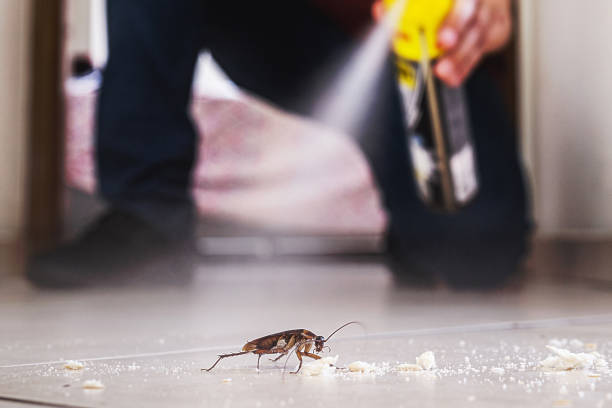
- Install weather stripping & door sweeps: To prevent pests from sneaking beneath exterior doors, install sturdy weather stripping along door edges and attach a door sweep at the bottom.
Additional Tips for Long-Term Prevention
- Conduct seasonal inspections: Regularly check for new damage caused by environmental factors like weather changes or wear-and-tear over time.
- Maintain proper landscaping: Trim vegetation away from building exteriors since overgrown shrubs can hide potential entry points.
- Keep outdoor trash sealed: Rodents may be drawn to accessible garbage bins if lids are not tightly closed.
By taking these preventive measures seriously, you can significantly reduce the risk of mice entering your indoor spaces while minimizing costly infestations down the line. Thorough inspections combined with durable sealing techniques create an effective barrier against unwanted pests year-round.
Proven DIY Mouse Removal Techniques That Actually Deliver Results
Dealing with a mouse infestation can be both frustrating and unsettling. Fortunately, there are several DIY techniques that you can implement to effectively remove mice from your home. By employing these methods, you can take control of the situation without immediately resorting to professional extermination services. Below are proven strategies that deliver results.
1. Setting Up Effective Mousetraps
- Snap Traps: These are affordable and reliable. Place them along walls where mouse activity has been observed.
- Glue Traps: Ideal for capturing smaller mice but should be used cautiously as they may not always provide a humane solution.
- Electronic Traps: These battery-operated traps offer a more hygienic approach by delivering an instant kill.
When baiting traps, use high-protein foods like peanut butter, chocolate, or small pieces of cheese.
2. Proper Placement Matters
- Position traps perpendicular to walls with the baited end against the wall.
- Focus on areas where droppings or gnaw marks have been noticed.
- Avoid placing traps in open spaces; mice prefer traveling along walls or hidden pathways.
3. Sealing Off Entry Points
| Common Entry Points | Recommended Sealing Material |
| Cracks in foundation | Steel wool combined with silicone caulk |
| Holes around pipes | Expanding foam or wire mesh |
| Gaps under doors | Door sweeps or weatherstripping |
Inspect your home thoroughly—both inside and outside—and take note of any potential openings.
4. Maintaining Cleanliness
- Store food securely in airtight containers.
- Regularly dispose of garbage, especially food scraps.
- Reduce clutter that could serve as hiding places for rodents.
5. Using Natural Repellents
- Peppermint Oil: Soak cotton balls in peppermint oil and place them near suspected entry points.
- Clove Oil: Similar to peppermint oil, this is an effective natural deterrent.
- Vinegar Mixture: A mix of white vinegar and water sprayed around problem areas can help deter rodents.
These methods work best as part of a larger rodent control strategy.
6. Observing Behavioral Patterns
- Look for reductions in droppings or gnaw marks over time.
- Check if traps have been triggered regularly.
If mouse activity persists after consistent application of these techniques, it may indicate a larger infestation requiring professional assistance.
By combining these proven DIY approaches with vigilance and persistence, you can manage most minor mouse infestations effectively while minimizing costs associated with pest control services.
Understanding the Cost and Benefits of Florida Pest Control for Mouse Extermination Services
When facing a persistent mouse infestation, hiring a professional exterminator can often be the most reliable and efficient solution. However, many people hesitate due to perceived costs without fully understanding the value that professionals bring. This section will explore both the cost factors and the advantages of professional mouse extermination services to help you determine if it’s an investment worth making.
Factors Influencing the Cost of Professional Mouse Extermination
- Severity of Infestation: The greater the mouse population in your home, the more resources and time an exterminator will need to allocate.
- Size of Property: Larger properties require more thorough inspections and treatments, which may affect pricing.
- Geographic Location: Costs often differ by region due to varying labor rates and availability of pest control providers.
- Treatment Methods Used: Some situations may call for advanced techniques or specialized tools (e.g., baiting systems or insulation replacement), which can increase costs.
- Number of Visits Required: Severe infestations might require follow-up visits for complete eradication.
| Factor | Impact on Cost |
| Severity of infestation | Higher severity = higher cost |
| Size of property | Larger area = longer treatment time |
| Geographic location | Urban areas may have higher rates |
| Treatment methods | Advanced tools = additional costs |
| Follow-ups required | More visits = higher overall bill |
Typical Costs for Professional Services
On average, you might expect to pay between $200 and $600 for a single treatment. However, complex infestations requiring extensive work or multiple visits could range from $1,000 to $2,000. Many pest control companies also offer maintenance plans or annual contracts at reduced prices if ongoing prevention is needed.
Benefits Provided by Professional Exterminators
- Thorough Assessment
Trained technicians conduct detailed inspections to identify all problem areas, including hidden nests and entry points that may not be apparent during DIY efforts. - Customized Solutions
Professionals tailor their approach based on your specific situation—this includes selecting effective methods for removal while minimizing disruption to your home. - Access to Advanced Tools & Treatments
Most professionals use high-grade equipment and products not available in retail stores. These are often more effective in resolving infestations quickly. - Prevention Guidance
Beyond removal, exterminators provide advice on preventing future infestations by addressing structural vulnerabilities or poor sanitation practices. - Time Efficiency
Tackling an infestation alone can take weeks or months without guaranteed success. Professionals expedite this process with proven techniques. - Health Protection
Mice carry diseases like hantavirus and salmonella that pose health risks to humans. Experts ensure safe disposal while reducing exposure hazards during treatment.
Weighing Costs Against Long-Term Savings
- Preventing property damage caused by mice chewing through wires, insulation, or wood.
- Avoiding contamination in food storage areas from droppings and urine.
- Reducing healthcare costs associated with potential illnesses from exposure to rodent-borne pathogens.
By eliminating infestations effectively at their source rather than repeatedly attempting DIY fixes, you avoid ongoing financial strain caused by recurring problems.
Comparing DIY vs Professional Services
| Aspect | DIY Methods | Professional Services |
| Cost | Lower initial cost | Higher upfront expense |
| Effectiveness | Varies; not always guaranteed | High success rate |
| Time Commitment | Requires significant effort | Minimal homeowner involvement |
| Expertise Needed | Limited | Extensive training & experience |
| Equipment Availability | Basic tools/products | High-grade tools & treatments |
Ultimately, recognizing the value of professional mouse extermination services goes beyond immediate costs—it’s about safeguarding your home efficiently while ensuring peace of mind for years to come.
How to Handle Scratching Sounds in Walls or Ceilings Caused by Mice
Scratching sounds in walls or ceilings are often an unsettling experience. These noises can indicate a mouse infestation, which can lead to structural damage, contamination, and health risks. Identifying the cause and taking immediate steps to address it is essential for maintaining a safe and pest-free environment. Below are key insights into why these noises occur, how to confirm their source, and steps you can take to handle the issue effectively.
Why Mice Cause Scratching Sounds
Mice are nocturnal creatures that become particularly active during the night. The scratching sounds you hear may result from:
– Nesting Behavior: Mice often scratch inside walls or ceilings as they gather materials such as insulation, paper, or fabric to build nests.
– Foraging for Food: These pests may scratch through surfaces like drywall in search of food sources nearby.
– Movement Through Tight Spaces: Rodents navigate through small cracks, crevices, and gaps within your walls or attic, leaving audible signs of their activity.
Confirming That Mice Are the Culprit
To ensure that mice are responsible for the noises you’re hearing, look for additional signs of infestation:
1. Droppings: Small pellet-like droppings near baseboards or in pantries are a clear indication of mice presence.
2. Gnaw Marks: Check wooden furniture, electrical wiring, and food packaging for teeth marks.
3. Foul Odors: A strong musky smell can signal a rodent infestation nearby.
4. Tracks and Smudges: Dusty areas often reveal tiny footprints or smudge marks created by rodents’ greasy fur.
Steps to Address Scratching Sounds from Mice
- Inspect areas such as utility line openings, cracks in the foundation, vents, and window gaps.
- Use caulk or steel wool to seal entry points thoroughly since mice cannot chew through these materials.
- Snap traps baited with peanut butter tend to be highly effective.
- Placement matters—position traps along walls where droppings or movement trails have been detected.
- Ultrasonic rodent repellents emit high-frequency sound waves designed to drive rodents away without using chemicals.
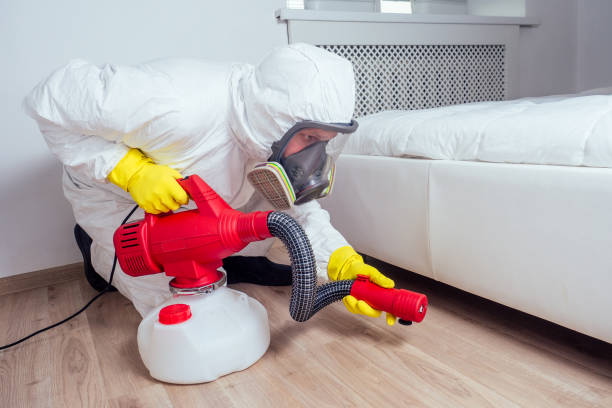
- For severe infestations or inaccessible areas like deep within walls/ceilings where DIY solutions fail, professional exterminators have specialized tools and expertise.
Preventing Future Issues
Once you’ve addressed scratching sounds caused by mice effectively, take steps to prevent another infestation: | Actions | Description | |————————|—————————————————————————–| | Regular Inspections | Conduct routine checks of your home’s structure for any new gaps or holes. | | Proper Food Storage | Keep food in airtight containers made of glass or metal that mice can’t penetrate.|
| Decluttering | Reduce clutter indoors and outdoors where mice may hide (e.g., piles of wood).| | Routine Maintenance | Maintain clean gutters and repair roof damage promptly to block access points.|
Acting quickly when you hear scratching sounds is critical not only for eliminating pests but also for preserving your home’s integrity and protecting your health against diseases carried by rodents like hantavirus or salmonella bacteria.
Chewed Food Packaging: A Clear Sign of a Mouse Problem Needing Action
Chewed food packaging is among the most obvious and concerning signs of a mouse infestation. While spotting small bite marks on food containers or scattered crumbs may not seem alarming at first, it is crucial to recognize that such damage indicates the presence of pests, particularly mice. Ignoring this sign could lead to significant health risks and property damage.
Why Mice Target Food Packaging
Mice are opportunistic feeders and have sharp incisors that can gnaw through various materials to access food, including:
– Plastic bags
– Cardboard boxes
– Thin plastic containers
– Paper wrappers
Once mice discover a reliable food source in your home, they leave behind droppings, urine, and saliva near these areas. These contaminants increase the risk of diseases such as hantavirus or salmonella being transmitted to humans.
Signs Your Food Storage Area May Be Compromised
If you suspect mice might be tampering with your food packaging but are unsure, look for these specific indicators:
1. Holes or tears in packaging: Bite marks around torn sections are often jagged or frayed. 2. Food spillage: Unexplained crumbs or scattered grains near storage areas. 3. Grease marks: Mice often leave greasy smudges due to their oily fur rubbing against surfaces. 4. Droppings nearby: Small, dark pellets around damaged packages typically signal mouse activity.
Observing even one of these warning signs warrants immediate action to address the issue before it escalates further.
Steps to Take After Discovering Chewed Packaging
When you notice chewed food packaging in your home, follow these steps to prevent further contamination and eliminate the infestation:
1. Discard contaminated products immediately: Seal any affected items in a plastic bag before throwing them away to avoid spreading pathogens. 2. Clean the storage area thoroughly: Use a solution of bleach mixed with water (following proper dilution instructions) to disinfect surfaces where droppings or urine may be present. 3. Investigate for additional entry points: Inspect walls, cabinets, and baseboards for cracks or small holes that mice could use as entrances. 4. Store food securely: Transfer pantry staples into airtight metal or glass containers that are resistant to gnawing.
Proactive Measures for Long-Term Prevention
| Measure | Description |
| Use airtight containers | Store all dry goods like flour, rice, and cereal in durable pest-proof containers. |
| Regular cleaning | Sweep floors regularly and wipe down counters to remove crumbs or spills. |
| Seal potential entry points | Block gaps around plumbing fixtures or beneath doors using caulk or steel wool. |
| Eliminate attractants | Dispose of garbage frequently and keep pet food sealed when not in use. |
By taking swift action when chewed packaging is identified and implementing preventive strategies over time, you can protect your household from health risks associated with rodent infestations while avoiding costly extermination measures later on.
Understanding the Importance of Repelling Mice with Effective Techniques
Mice infestations can cause significant damage to your property and pose health risks to your family. Preventing these infestations before they take hold is always preferable to dealing with the aftermath of an established problem. Repelling mice effectively requires a combination of proactive measures, strategic deterrents, and maintaining a pest-unfriendly environment.
Why Is Repelling Mice Important?
- Mice carry diseases like hantavirus, salmonella, and leptospirosis.
- They leave droppings and urine that can contaminate food and living spaces.
- Gnawing on wood, wiring, and insulation can compromise the safety of your home.
- Chewed electrical wires increase the risk of fires.
- One pair of mice can multiply quickly, leading to larger infestations if not addressed.
Effective Mouse Repelling Techniques
- Inspect the exterior of your house for cracks, gaps, or holes larger than 1/4 inch.
- Use materials like steel wool or caulking to seal openings around pipes, vents, and utility lines.
- Install door sweeps on all exterior doors.
- Clean up food crumbs immediately from countertops and floors.
- Store food in airtight containers made of glass or metal instead of cardboard or plastic bags.
- Dispose of garbage regularly in tightly sealed bins.
- Repair leaky faucets to eliminate water sources for mice.
- Keep pet food stored away when not in use.
- Declutter areas like basements and garages where mice may build nests.
- Use Natural Deterrents: Certain smells are known to repel mice effectively:
| Natural Deterrent | How It Helps |
| Peppermint Oil | Strong scent disrupts mouse sensory pathways. |
| Cloves | Acts as a natural irritant for pests. |
| Cayenne Pepper | Unpleasant for mice when inhaled or ingested. |
Install Ultrasonic Devices:
These gadgets emit high-frequency sound waves intolerable to rodents but inaudible to humans. While results vary across households, they are worth considering as part of a broader strategy.- Environmental Modifications:
Trim shrubs and trees near your house’s foundation to reduce potential hiding spots for rodents outside your home.
Long-Term Prevention Strategies
- Conduct routine inspections around vulnerable points such as attics or basements.
- Regularly check for signs like droppings or gnaw marks that indicate early incursions.
- Work with licensed pest control professionals annually if you live in areas prone to rodent issues.
By using these methods together systematically rather than relying solely on one approach (e.g., traps), you create an environment that discourages mouse activity over time while keeping your household safe from health hazards associated with infestations.
- When Should You Call Exterminators in Florida for Effective Pest Control?
- Advantages of Choosing an Experienced Pest Control Company for Effective and Long-Term Protection
- When Should You Contact a Pest Control Company for a Rat Infestation?
- Identifying When to Call Exterminators in Florida for Severe Mouse Infestations
- Comprehensive Guide to Effective Florida Pest Control Methods for Homes
- Florida Pest Control Solutions Every Homeowner Should Know for a Safer Home
- 7 Ways Florida Pest Control Can Help You Prevent Attracting Pests Into Your House
- Effective Florida Pest Control Solutions for Your Home
- How to Choose the Right Pest Control Company Before Infestations Become Visible